
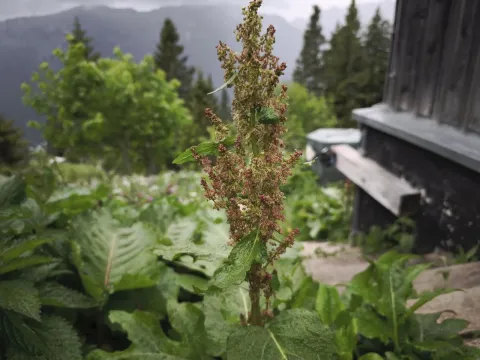
Alpine dock
Rumex alpinus
Sowing of Alpine dock is typically performed in early spring as soon as the ground is workable, or during late autumn for early growth in the following season.
What the section contains
Alpine dock
Seeds are sown in rows spaced approximately 40 to 50 centimeters apart, at a shallow depth of about 1 to 2 centimeters to ensure effective germination.
It is essential to keep the soil moist after sowing, as the seeds require consistent humidity to break dormancy and establish a healthy root system.
Once seedlings have reached the two-leaf stage, thinning is necessary to maintain a spacing of 20 to 30 centimeters between individual plants.
Using high-quality seeds in a well-prepared seedbed significantly improves emergence rates and ensures a uniform crop for the entire growth season.
Alpine dock is a perennial plant belonging to the Polygonaceae family, naturally found in high-altitude meadows and mountain regions across Europe.
The species thrives in nitrogen-rich, moist soils with a neutral or slightly acidic pH, preferring areas with high organic matter content.
This crop is exceptionally hardy and capable of surviving extreme winter conditions, exhibiting rapid growth during the short but productive mountain summer.
Regular irrigation is vital during periods of low rainfall to ensure the leaves remain tender and palatable for both culinary and commercial use.
While the plant tolerates full sun, it is well-adapted to partial shade, making it a versatile vegetable for various garden and agricultural configurations.
Rust diseases are the primary pathological threat to Alpine dock, often appearing as brown spots on the foliage and reducing overall plant vigor.
The plant is frequently targeted by dock beetles, which feed on the leaf blades, potentially causing severe defoliation if left unchecked.
Poor air circulation and excessive moisture in dense plantings can lead to outbreaks of powdery mildew, which spreads quickly among crowded plants.
Soil-borne pests, including wireworms, can damage the crown and roots, highlighting the importance of proper soil preparation and crop rotation practices.
Effective management includes regular monitoring of leaves, removing affected plant parts, and ensuring adequate space between plants to prevent spread.
Harvesting of the leaves typically begins when the plant reaches maturity, usually within 50 to 60 days after the initial growth cycle starts in the spring.
The outer leaves should be harvested individually using a sharp blade, leaving the central core intact to support the continued development of the plant.
Multiple harvests can be conducted throughout the season, allowing for a steady supply of fresh leaves until the onset of autumn frosts.
Late-season harvesting should be avoided to allow the plant to store adequate carbohydrates in its root system for a successful winter dormant period.
After each harvesting session, it is beneficial to provide the plants with organic amendments to support rapid leaf regeneration and sustained productivity.