
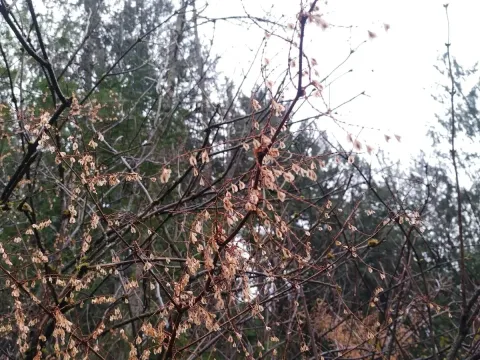
Knotweed
Reynoutria Houtt.
Planting and propagation of knotweed are typically performed using vegetative methods, specifically through rhizome cuttings, as seeds often exhibit low viability.
What the section contains

Knotweed
The optimal time for planting is early spring, once the soil has warmed to 8–10 degrees Celsius, or in the autumn before the first hard frost occurs.
Rhizome sections are planted at a depth of 10–15 cm, ensuring that the soil is firmly packed around the material to promote rapid root establishment and development.
When establishing commercial plantations, a spacing of 0.7 to 1 meter between rows is maintained to facilitate the use of machinery for maintenance and harvesting.
The crop grows exceptionally fast; within 2–3 years, the root system establishes a dense stand that effectively suppresses competitive weeds in the area.
Knotweed, belonging to the Polygonaceae family, is a perennial herbaceous plant known for its remarkable adaptability to various environmental conditions.
It thrives in deep, fertile loamy soils but is also capable of growing in areas with excessive moisture, demonstrating high ecological plasticity.
The plant exhibits significant cold hardiness; while the aerial parts die back annually, the rhizomes survive severe winter freezing within the soil layer.
Although it is a robust plant, achieving maximum vegetative mass requires sufficient sunlight and adequate water supply during the first half of the growing season.
Once established, a plantation can remain productive for 15–20 years without the need for frequent replanting or intensive soil cultivation.
The primary economic value of knotweed lies in its massive vegetative yield, which is utilized for silage production or as a sustainable source of biomass for fuel.
Green biomass yields on fertile soils can reach 60–100 tons per hectare, provided the crop receives proper moisture and basic nutritional support.
Due to its high cellulose content and rapid growth rate, knotweed is recognized as a promising energy crop for the production of pellets and heating briquettes.
Beyond energy production, the plant is researched for its potential in phytoremediation, as its roots are highly effective at stabilizing and cleaning contaminated soils.
Certain species are also valued in the pharmaceutical industry for their roots, which contain high concentrations of bioactive compounds like resveratrol.
Common threats to the crop include fungal diseases, such as leaf spot and rust, which are more prevalent in dense plantations with poor air circulation.
Insect pests, including various caterpillars and aphids, can cause significant damage to the foliage, thereby reducing the total yield and plant vitality.
In waterlogged areas, the rhizomes are prone to root rot, which can lead to thinning stands and a decrease in overall plantation productivity.
Early-stage development is vulnerable to competition from perennial weeds, necessitating mechanical weeding to ensure the knotweed crop becomes established.
Management is complicated by the invasive nature of several species, making it crucial to control the plant's spread beyond the designated cultivation site.
Harvesting is typically conducted at the onset of mass flowering, the stage when the green mass reaches its peak nutritional value and dry matter volume.
Heavy-duty mower-shredders are required to process the thick, woody stems, which can reach heights of 2–3 meters, into manageable material for storage.
Depending on local climate conditions, it is possible to perform 2–3 harvests per season, which significantly enhances the total annual biomass yield per hectare.
The harvested biomass must be processed or ensiled immediately to prevent self-heating and the degradation of the plant's structural fibers.
The final harvest of the year must be timed carefully to ensure the plant has stored sufficient energy in its rhizomes to survive the winter successfully.