
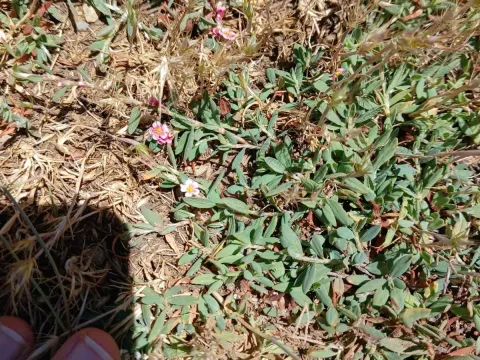
Cedar knotweed
Polygonum cedrorum
Sowing times for cedar knotweed depend heavily on the local climate, as the crop is sensitive to late spring frosts. Ideally, sowing should commence once the soil temperature consistently reaches 10–12 degrees Celsius, providing a stable foundation for germination.
What the section contains
Cedar knotweed
Seed preparation is a recommended practice to enhance germination energy and uniformity in the field. Seeds should be planted at a depth of 2 to 3 centimeters, ensuring that the soil maintains adequate moisture levels to support the young, developing seedlings.
A row-planting method is generally preferred as it facilitates easier access for weeding and nutrient application. Maintaining appropriate spacing between rows is essential for optimal light penetration, which directly influences the overall density and health of the crop stands.
The seeding rate must be carefully calculated based on seed viability and the target stand density for the specific environment. Avoiding overcrowding is crucial, as intense plant-to-plant competition can limit growth and increase the susceptibility to various diseases.
In regions with long growing seasons, staggered sowing or secondary plantings may be possible, provided irrigation is available. Effective crop rotation remains the most critical strategy for maintaining soil health and preventing the depletion of essential nutrients over time.
Cedar knotweed belongs to the Polygonaceae family and is a robust perennial that thrives in open, sunny environments. Adequate sunlight is paramount for biomass production, as shading can significantly impede the development of the foliage and stem structure.
The crop prefers well-structured, loamy soils with a neutral to slightly acidic pH. Good drainage is essential, as the plant is sensitive to waterlogged conditions that can cause root rot and hinder the natural oxygenation of the rhizosphere.
While the plant shows moderate drought tolerance, optimal biomass accumulation requires consistent moisture, especially during peak growth stages. A temperature range between 18 and 25 degrees Celsius is considered ideal for healthy vegetative development.
Field maintenance involves frequent inter-row cultivation to keep the surface loose, preventing soil crusting and enhancing moisture retention. Mulching can also be a valuable technique to suppress weeds while preserving the soil microclimate in warmer regions.
Nutrient management through balanced fertilization is key to high yields. Nitrogen applications generally promote rapid leaf growth, whereas phosphorus and potassium contribute to the overall strength, disease resistance, and cold tolerance of the plant.
The yield of cedar knotweed is determined by the synergy of good agricultural management and the favorable environmental conditions of the region. By providing optimal water and nutrients, producers can realize the full genetic potential of the crop.
With proper care, the plant is capable of providing multiple harvests throughout a single season. Fast regeneration after mowing is a hallmark of this species when the growing environment is effectively optimized and stress factors are mitigated.
Harvest timing is critical; collecting the material during the peak of vegetative growth ensures the best quality of raw produce. Leaving the plants to grow for too long can result in increased fiber content, which may diminish the value for certain applications.
Regular yield monitoring on trial plots is recommended to adjust fertilization and care schedules dynamically. Identifying high-performing genotypes through selective breeding can further boost production figures over subsequent growing seasons.
The potential for high biomass output makes cedar knotweed an interesting subject for intensive agricultural systems. Careful attention to plant health during every stage of the life cycle ensures that yields remain stable and meet the required commercial standards.
Although cedar knotweed is naturally resilient, it can still face pressure from common pathogens found in the Polygonaceae family. Fungal infections, such as powdery mildew or leaf spots, tend to emerge when humidity is high and ventilation is poor.
In terms of insect threats, aphids and various leaf-feeding insects are the primary concerns. These pests can damage the leaf surface, reducing the plant's ability to perform photosynthesis and leading to a significant drop in overall crop vigor.
Integrated pest management starts with preventive measures like maintaining spatial isolation and ensuring proper crop rotation. By avoiding the cultivation of Polygonum species in back-to-back cycles, farmers can significantly lower the local pathogen pressure.
Biological control agents should be utilized where possible to maintain the ecological balance of the field. In instances of severe infestation, registered fungicides and insecticides may be necessary, provided that harvest intervals are strictly observed.
Frequent scouting and monitoring of the fields allow for early detection of potential outbreaks. Addressing issues at the first sign of damage is the most effective way to prevent the rapid spread of diseases across the plantation.
Harvesting strategies for cedar knotweed are dictated by the intended end use of the crop. For biomass production, the ideal harvest time is just before stem lignification begins, ensuring the material retains its highest nutritional or technical quality.
Mechanical harvesting equipment must be calibrated to ensure a clean cut without damaging the crown of the plant. This is vital to promote rapid regrowth and ensure the longevity of the perennial stand across multiple seasons.
When harvesting for seeds, the process is timed to the stage of physiological maturity when the pods are fully formed and dry. Preventing over-maturation is essential to minimize seed shattering and to ensure the highest purity of the harvested grain.
Post-harvest handling requires quick moisture reduction to stabilize the raw material and prevent spoilage. Proper drying techniques are necessary to preserve the essential chemical constituents of the knotweed plants.
Final processing includes cleaning the product to remove foreign debris and grading it according to quality standards. Storage in dry, well-ventilated conditions is necessary to maintain the integrity of the produce until it reaches the end user.