
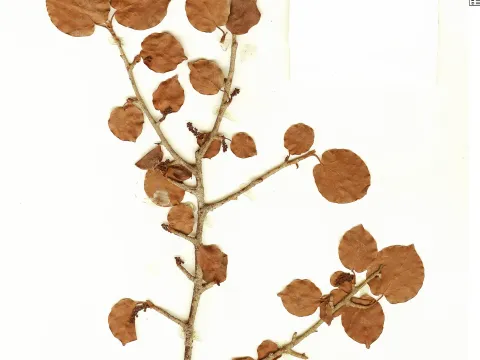
Coccoloba acupulcensis
Coccoloba acupulcensis
Coccoloba acupulcensis is a plant species belonging to the Polygonaceae family. It is native to tropical environments, primarily in Central America, and is well-adapted to warm, humid climates characterized by high average annual temperatures.
What the section contains
Coccoloba acupulcensis
The cultivation of this crop requires a frost-free environment. Temperatures below 10°C can significantly impede the physiological processes of the plant, making it unsuitable for regions with cold temperate winters.
Soil requirements for Coccoloba acupulcensis include high drainage capacity and nutrient richness. The species performs best in slightly acidic to neutral soil types that provide excellent aeration to prevent root hypoxia.
As a light-demanding species, the plant should be situated in full sun to partial shade. Proper light exposure is essential for maintaining a compact growth habit and ensuring the healthy development of reproductive buds.
Watering strategies must be adapted to local rainfall patterns. During the dry season, supplemental irrigation is necessary to support biomass accumulation, while during rainy seasons, the focus should shift to surface drainage to prevent soil saturation.
The yield of Coccoloba acupulcensis consists primarily of its drupe-like fruits. The productivity of individual trees varies significantly based on age, crown management, and the availability of essential macro and micronutrients.
Fruits are often harvested by hand, as they require specific maturity levels for optimal flavor and culinary use. The crop is valued both for subsistence and as a potential source for local agro-processing industries.
Beyond fruit production, the wood of Coccoloba species is recognized for its density. Managing the tree structure for timber production can offer additional economic value in specific silvicultural systems.
Regular pruning and nutrient management are the most effective ways to ensure consistent harvests. Removing deadwood and thinning dense branches helps reallocate resources toward fruit-bearing limbs.
Ongoing agricultural research into this species aims to optimize spacing and fertilization regimes. These efforts are expected to improve standardized yields in intensive plantation settings.
The primary threats to Coccoloba acupulcensis in an agricultural setting include various scale insects and mealybugs. These pests thrive in tropical conditions and can weaken the tree if not monitored carefully.
Fungal diseases affecting the foliage, such as leaf spot, are common in areas with stagnant air. Maintaining proper spacing and pruning to encourage airflow within the canopy is a critical preventive measure.
Root system health is vital, and soil-borne pathogens can be devastating under conditions of poor drainage. Implementing a rigorous sanitation program in the orchard helps minimize the risk of spreading soil infections.
Integrated Pest Management (IPM) techniques, such as biological control and the use of targeted systemic treatments, are recommended to manage outbreaks while minimizing ecological impact.
Frequent site inspections are required to identify early signs of stress. Proactive maintenance remains the most cost-effective method to protect the health and productivity of the trees.