
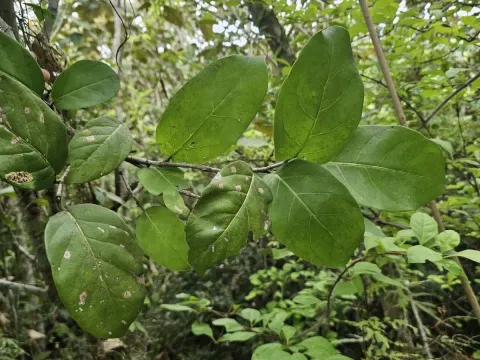
Coccoloba barbadensis
Coccoloba barbadensis
Coccoloba barbadensis is a perennial tree species belonging to the Polygonaceae family. Originating from the tropical regions of the Caribbean and Mexico, it is well-adapted to coastal environments.
What the section contains
Coccoloba barbadensis
The plant thrives in warm, tropical climates and is highly sensitive to frost. Consistent temperatures between 22°C and 30°C are optimal for maintaining its physiological processes and steady annual growth.
Regarding soil preferences, this species is notably versatile. It prefers sandy or well-drained alluvial soils but is capable of growing in nutrient-poor conditions, showing high tolerance for coastal salinity.
Proper water management is essential for Coccoloba. While it can withstand moderate drought once established, it requires sufficient drainage to prevent root rot, which is a major risk in waterlogged soils.
Agronomic maintenance includes periodic pruning, which is beneficial for controlling the plant size and encouraging denser fruit-bearing branches. Mulching around the base helps retain moisture during peak summer months.
The fruit of Coccoloba barbadensis is a small, fleshy drupe that matures in clusters. When fully ripe, the fruits take on a deep purple or dark red color, signaling their optimal sweetness.
Harvesting is performed manually to ensure the fruits are not crushed. The berries are delicate, so careful handling is necessary to maintain their quality for fresh consumption or processing.
The culinary applications of the fruit include the production of jams, jellies, and refreshing beverages. Its taste is characterized by a balance of natural acids and sweetness, making it popular in regional cuisines.
Beyond food production, the wood of the tree is recognized for its density and hardness. It is frequently utilized in local carpentry and for creating durable small wooden items.
The plant also plays an essential role in environmental management, specifically in stabilizing coastal dunes and acting as a windbreak against sea breezes, which supports local biodiversity.