
Calligonum azel
Calligonum azel
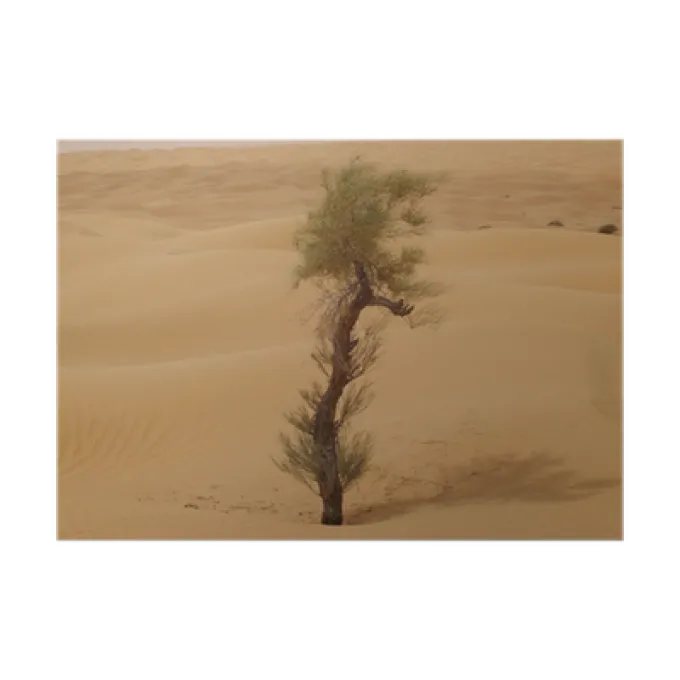
Description
Sowing dates
Calligonum azel, belonging to the Polygonaceae family, is a valuable shrub used primarily for phytomelioration and stabilizing sandy soils. Sowing is typically conducted during the autumn or early winter months to allow the seeds to benefit from natural moisture and seasonal temperature fluctuations.
The fruits of the plant are sown directly into sandy substrates at a depth of 3 to 5 centimeters. This shallow burial depth is crucial for enabling the sprout to emerge through the loose sand while protecting the embryo from immediate desiccation.
In large-scale operations, a cluster-seeding method is often employed to create resilient plant patches that effectively break the wind and anchor the dunes. This approach helps in building a sustainable ecosystem capable of resisting severe wind erosion.
Proper seed placement ensures that the young plants can develop robust root systems early in their life cycle. Ensuring sufficient moisture contact with the sand is the primary factor for successful germination in arid environments.
Farmers often use simple mulching techniques or organic litter to conserve moisture around the seeds during the initial stages of growth. Following correct sowing protocols significantly increases the survival rate of the young shrubs in harsh desert conditions.
Growing requirements
This species thrives in nutrient-poor sandy soils where other plants fail to survive. As a true psammophyte, it is highly adapted to extreme heat and prolonged drought, making it an ideal choice for restoring degraded arid landscapes.
The plant possesses a deep and extensive root system, allowing it to tap into subterranean moisture sources even during the driest seasons. This physiological trait allows the shrub to remain green and productive under intense solar radiation.
Calligonum azel requires full sun exposure and is highly sensitive to shading from surrounding vegetation. It can tolerate significant daily temperature ranges, common in desert regions, as well as moderate levels of soil salinity.
Good soil aeration is mandatory for healthy development; the plant does not tolerate waterlogging or heavy, clay-based soils that lack permeability. Its high resistance to wind makes it a key tool in creating windbreaks and protection zones.
Minimal management is required once the plants are established, though protecting young shoots from livestock grazing is essential in the first few years. No supplemental fertilization is necessary as the plant is adapted to nutrient-sparse desert environments.
Main diseases and pests
Primary threats to Calligonum azel include damage from herbivorous insects, such as grasshoppers and certain lepidoptera larvae, which may consume the foliage. However, the shrub usually displays strong regenerative capabilities following moderate damage.
Fungal diseases are rarely a problem unless the plant is subjected to uncharacteristic levels of humidity or soil compaction. Rodents represent a greater danger, as they may gnaw on the bark and roots of young saplings during the winter months.
Human interference, particularly overgrazing and the removal of wood for fuel, is the most significant threat to the plant's long-term survival in nature. Such activities lead to soil instability and the destruction of the fragile desert habitat.
Poor planting techniques or the use of low-quality seeds can lead to low establishment rates in the field. Consistent monitoring of plant density and health is recommended to ensure the effectiveness of the desert restoration efforts.
Preventive measures include fencing off newly planted areas from livestock and conducting periodic checks for pest outbreaks. Utilizing biological control methods is preferred to maintain the ecological integrity of the arid zone.