
Chorizanthe
Chorizanthe
Chorizanthe, commonly known as spineflower, is a genus of annual herbs belonging to the Polygonaceae family. These plants are well-adapted to the arid climates of Western North America, displaying unique morphological traits for survival.
What the section contains

Chorizanthe
The natural range of Chorizanthe is primarily concentrated in California and surrounding regions. They thrive in sandy, rocky soils with poor nutrient content, often found in deserts, coastal bluffs, and open grassland environments.
Cultivation requires full sun exposure and extremely well-draining soil. Because they are xerophytes, they are highly sensitive to high humidity and waterlogged conditions, which can lead to rapid physiological decline.
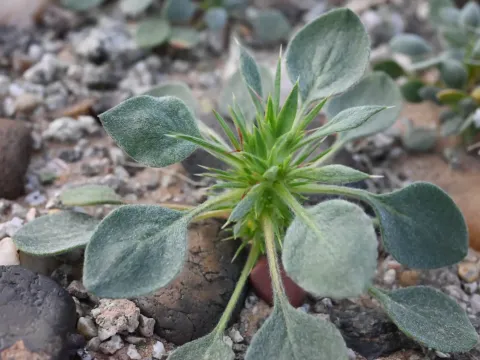
Botanically, the genus is characterized by its involucre with hooked or spine-like appendages, which protect the flowers and disperse seeds. The vegetative parts often feature a basal rosette of leaves to manage moisture efficiency.
In terms of usage, Chorizanthe is mostly valued in environmental restoration projects and native plant landscaping. It is not considered a traditional commercial crop but serves as a vital component of desert biodiversity.
The primary threats to Chorizanthe populations include habitat loss due to urban development and the encroachment of non-native invasive grasses. These invasives outcompete the spineflower for space and limited soil nutrients.
Root rot and crown diseases are the most significant threats when the plant is exposed to overwatering. Maintaining a dry environment is critical to preventing fungal pathogens from attacking the root system.
Insects such as grasshoppers and certain beetle larvae can cause defoliation or destroy flower structures. Damage to the reproductive parts directly impacts the plant's ability to complete its annual life cycle.
Preventative measures involve strict control of invasive species in the vicinity and ensuring soil porosity. Chemical treatments are rarely used, as they may jeopardize the delicate ecological balance of the site.
Given that some species of Chorizanthe are endangered or threatened, monitoring local conditions is essential for the preservation of these plants in their native range.