
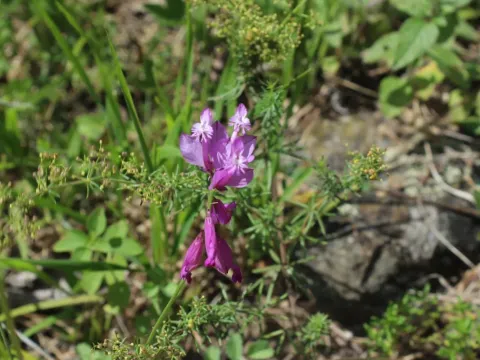
Polygala anatolica
Polygala anatolica
Polygala anatolica is a perennial herb that requires careful site preparation before sowing. Seed propagation is the primary method, and it is usually performed in the early spring once the threat of severe frost has passed and soil temperatures reach appropriate levels for germination.
What the section contains
Polygala anatolica
Seeds should be sown shallowly, as they are small and possess limited energy to emerge through thick layers of soil. A depth of 1-1.5 cm is considered optimal, ensuring good soil-to-seed contact by light rolling after the sowing process is completed.
Sowing in rows with wide spacing (around 50-60 cm) is recommended for large-scale operations. This configuration facilitates mechanical weed control and provides adequate aeration for the developing seedlings throughout their first season of growth.
Pre-sowing soil treatment is essential to eliminate weed pressure, which can easily outcompete the young Polygala plants. Using land previously under a clean fallow or row crop rotation helps maintain a weed-free environment.
Strategic moisture management during the germination phase is critical. If natural rainfall is insufficient, light irrigation should be applied to prevent the soil surface from drying out, which could impede the uniform establishment of the crop.
The Anatolian milkwort thrives in well-drained, porous soils such as loams or sandy loams. It is highly sensitive to waterlogging, as stagnant water in the root zone can trigger decay and significantly reduce the overall health of the plantation.
Regarding sunlight, this plant is a heliophyte, meaning it requires full exposure to solar radiation. Planting in shaded areas or locations with limited direct sunlight will result in stunted development and a decrease in the biosynthesis of vital secondary metabolites.
A neutral to slightly alkaline soil pH is preferred for optimal growth. If the soil is too acidic, liming should be incorporated into the pre-planting preparations to create the most favorable environment for nutrient uptake.
Nutrient requirements should be managed through soil testing. While nitrogen promotes vegetative growth, excessive amounts should be avoided to prevent compromising the plant's structural integrity and its ability to withstand environmental stress.
The climate requirement centers on moderate humidity and temperature ranges. While the species is adapted to survive seasonal changes, protecting the young plants from extreme conditions during their first year is beneficial for establishing a robust root system.
Root rot and fungal infections remain the primary biological threats to Polygala anatolica. These pathogens often thrive in overly moist soils, making proper drainage the first line of defense for a commercial agricultural operator.
Insect pests, specifically aphids and certain larvae, can impact leaf development. Regular field scouting is necessary to identify potential infestations early and apply targeted interventions before the pest population reaches an economic damage threshold.
Weed infestation is a persistent challenge that necessitates integrated management practices. Mechanical inter-row cultivation is highly effective and is generally preferred over chemical herbicides to maintain the purity and quality of the raw material.
Maintaining strong plant immunity through balanced mineral nutrition (especially potassium and phosphorus) helps the crop withstand diseases. Robust plants are naturally more resistant to the stress of minor infections and environmental fluctuations.
In cases of severe outbreak, rotating fungicides of different classes is recommended to prevent the development of resistant pathogen strains. All chemical applications must follow strictly regulated safety protocols to protect the surrounding ecosystem.
Harvesting strategies vary depending on the target product. The aerial parts are typically collected during the peak of flowering, which ensures that the concentration of bioactive constituents in the leaves and stems is at its maximum level.
Roots, which are highly valued for their phytochemical content, are usually harvested in late autumn as the plant enters dormancy. This timing ensures the accumulation of maximum secondary metabolites before the winter period.
Post-harvest processing involves cleaning the roots of soil and debris, followed by rapid transportation to a drying facility. Speed is crucial to prevent enzymatic degradation and spoilage caused by high internal humidity.
Drying is performed in climate-controlled environments or specialized conveyors where airflow and temperature are tightly monitored. Maintaining temperatures between 40-45°C helps preserve the chemical integrity of the harvested material.
Proper storage is the final step in maintaining harvest quality. The dried product must be kept in a dry, cool, and dark facility to protect it from moisture, pests, and light-induced degradation before it reaches the end-user.