
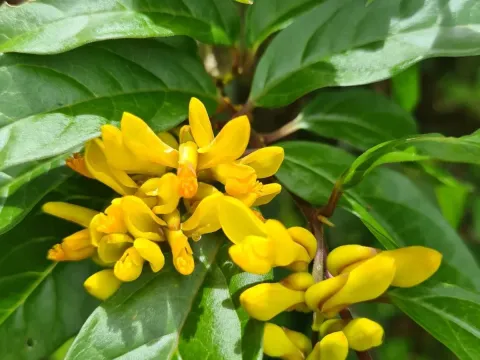
Polygala arillata
Polygala arillata
Polygala arillata is an evergreen shrub or small tree belonging to the Polygalaceae family. In its natural habitat, this plant can grow from 2 to 5 meters tall, featuring a dense canopy and distinctive yellow flowers.
What the section contains
Polygala arillata
The culture is native to the mountainous regions of Southeast Asia, including the Himalayan foothills, Southern China, and India. The plant prefers a moderately humid climate and semi-shaded areas, allowing it to thrive in understory conditions.
Successful cultivation requires well-drained, fertile loamy soils with an acidic to neutral pH. Waterlogging is lethal for this species, so ensuring a high-quality drainage layer during planting is essential.
The optimal temperature range for active growth is between 18 and 25 degrees Celsius. Polygala arillata is sensitive to sudden frosts, which is why it is often grown in greenhouse conditions or winter gardens in regions with temperate climates.
The economic use of the plant is primarily focused on the pharmaceutical industry and ornamental gardening. Its roots and bark contain bioactive compounds used in traditional medicine to treat respiratory conditions.
The crop is susceptible to fungal diseases if irrigation practices are poor, particularly the development of root rots. Inadequate drainage leads to leaf yellowing and the subsequent death of the root system.
Typical pests include aphids and spider mites, which settle on young shoots and the undersides of leaves. Regular preventive inspections and the use of gentle insecticides are recommended to control pest populations.
To prevent the spread of powdery mildew, it is crucial to ensure sufficient air circulation around the canopy. Dense planting increases the risk of infection significantly, making timely pruning a mandatory practice.
The plant may also suffer from microelement deficiencies, such as iron, which manifests as chlorosis on young leaves. Regular soil analysis and the application of chelated nutrient complexes help maintain the plant's health and aesthetic appeal.
When grown in protected ground, it is necessary to monitor humidity levels, as excessive dryness weakens the plant's immune system and makes it vulnerable to secondary pathogens.