
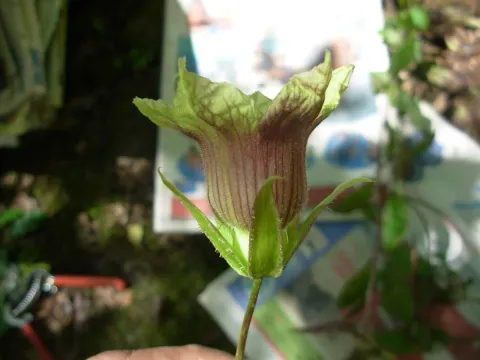
Cobaea lutea
Cobaea lutea
Cobaea lutea is a unique member of the Polemoniaceae family, known for its elegant climbing habit and distinct flowers. While it is a perennial in its native environment, it is commonly cultivated as an annual in most temperate regions.
What the section contains
Cobaea lutea
Seeds should be sown indoors in late winter, typically February, to ensure the plant has a sufficiently long growing season. Use a light, well-draining seed-starting mix to promote healthy germination and root development.
Place the seeds flat on the surface of the soil and cover them lightly. Maintaining a constant temperature of around 20 degrees Celsius is essential for successful germination and early seedling growth.
Transplanting to the final location should only occur once the danger of frost has passed. Choose a warm, sunny site where the young plants can gradually acclimate to outdoor conditions before rapid growth begins.
When transplanting, maintain adequate spacing to prevent overcrowding. Proper initial spacing ensures that the vines can spread and gain enough sunlight, which is critical for the plant's overall strength and vitality.
This species requires rich, fertile soil with excellent drainage properties. Heavy soils should be amended with organic compost or horticultural sand to prevent root rot and allow for necessary root oxygenation.
The plant demands a full-sun location to thrive. While it can tolerate partial shade in extremely hot climates, consistent sunlight is crucial for triggering maximum flower production throughout the blooming season.
Regular fertilization is key to maintaining vigorous vine growth. A balanced liquid fertilizer applied every 14 days during the active growing season will provide the necessary nutrients for the development of stems and foliage.
Sturdy support structures are non-negotiable for Cobaea lutea. As a vigorous climber equipped with tendrils, it needs strong trellises, fences, or wires to support its climbing habit as it reaches for vertical space.
Watering should be consistent and adjusted according to local weather conditions. Avoid allowing the soil to become waterlogged, as this is the primary cause of physiological stress and potential root disease in these vines.
Spider mites and aphids are the most common pests that affect the foliage of Cobaea lutea. These pests thrive in dry conditions and can quickly weaken the plant if left untreated during the peak growing months.
Monitoring the underside of the leaves is a vital practice for early detection of pest infestations. If detected, treatment with appropriate horticultural soaps or systemic insecticides is recommended to keep the population in check.
Root rot caused by fungal pathogens is a significant threat, especially in soils with poor drainage. Once root rot takes hold, it is often irreversible, making preventative soil management the most effective control method.
Powdery mildew can develop on leaves when humidity levels are high and airflow is stagnant. Keeping the plant well-pruned and ensuring proper spacing between plants helps to reduce the incidence of this fungal disease.
Nutritional deficiencies may occasionally manifest as leaf yellowing. Regularly testing the soil or monitoring for common signs of mineral imbalance helps in correcting nutrient supply before the plant's health is severely impacted.