


Reference · Crops
Cobaea
Cobaea
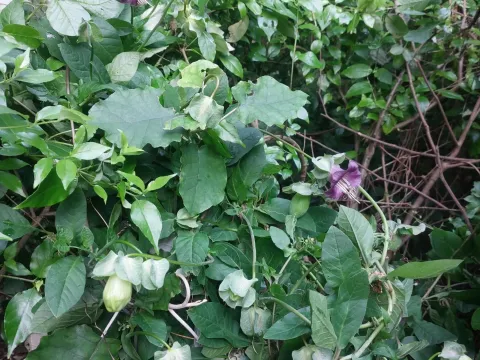
Cobaea is a genus of flowering plants in the family Polemoniaceae, primarily grown as annual ornamental vines. Known for its bell-shaped flowers, it thrives in warm climates but is sensitive to frost.
1
items
What the section contains
Marketplace
Products in this section · 1
Cobaea
For best results, sow seeds indoors in late winter, specifically from late February to early March. This allows the plant enough time to reach its full size and bloom during the short summer season.
The seeds have a hard seed coat and are best sown individually in pots. Pre-soaking them for 12–24 hours can significantly improve germination rates and uniformity.
Avoid bare-root transplanting at all costs, as Cobaea has sensitive root systems. Using biodegradable pots allows for direct planting, minimizing transplant shock to the young seedlings.
Hardening off the plants is essential before moving them to their permanent outdoor location, which should only occur after all risks of frost have completely passed.
Cobaea requires full sun to achieve vigorous growth. While it can tolerate partial shade, insufficient light will lead to spindly stems and reduced floral production.
The soil must be fertile, well-draining, and rich in organic matter. A pH level ranging from slightly acidic to neutral provides the optimal conditions for nutrient uptake.
Adequate moisture is critical, especially during the peak summer months. However, the soil should not become waterlogged, as this often leads to root rot in container-grown or garden plants.
As a fast-growing climber, the plant needs sturdy structural support like trellis or wire mesh. Its tendrils are highly effective at grasping surfaces to pull the vine upwards.
Regular fertilization with a balanced, water-soluble fertilizer is recommended throughout the growing season to support the plant's rapid vegetative and floral development.
Spider mites are the most common pests affecting Cobaea, especially in hot, dry environments. They cause yellowing leaves and webs on the undersides of the foliage.
Aphids can infest the tender shoots, sucking out sap and causing stunted growth. Early detection and treatment with insecticidal soaps or oils are usually effective.
Whiteflies may become an issue, particularly in greenhouses or protected garden areas. They damage the plant by feeding and secreting honeydew, attracting secondary fungal growth.
Root rot is a major threat caused by poor soil drainage or overwatering. Once established, it is difficult to treat, making prevention through soil management paramount.
Powdery mildew is a common fungal disease that affects the leaves when airflow is restricted or humidity levels fluctuate significantly during the late summer months.