
Cantua buxifolia
Cantua buxifolia
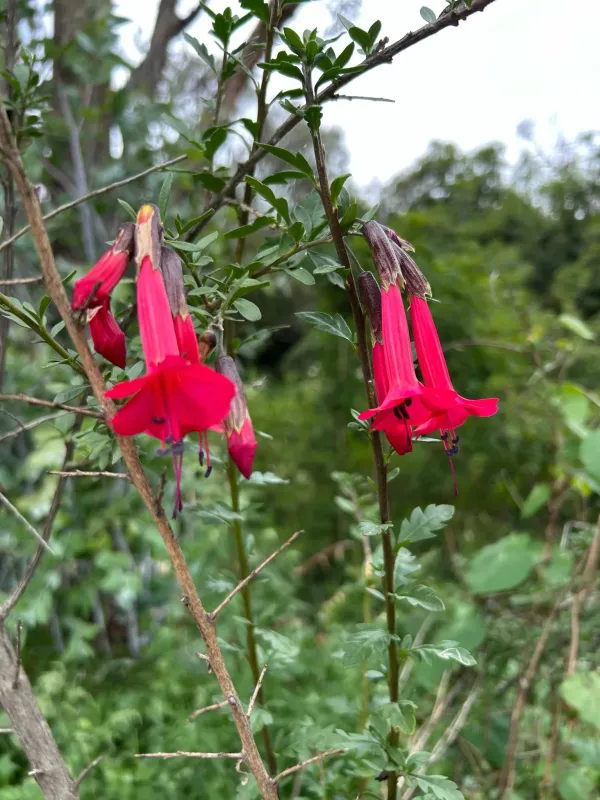
Description
Growing requirements
Cantua buxifolia, commonly known as the Sacred Flower of the Incas, is an evergreen shrub belonging to the Polemoniaceae family. It is native to the Andean valleys of Peru and Bolivia, where it thrives in specific high-altitude ecosystems.
The climate requirements for this species include cool temperatures and high atmospheric humidity. It is not cold-hardy in severe frost conditions, necessitating sheltered locations or greenhouse cultivation in colder temperate climates.
Soil management for Cantua requires well-draining, slightly acidic to neutral substrates. The root system is sensitive to waterlogging, which necessitates careful soil preparation with organic matter and perlite to ensure optimal aeration.
Regarding light, the plant performs best in full sunlight or partial shade during the peak of summer heat. Adequate luminosity is a key factor in inducing the characteristic vibrant blooms that make this plant highly sought after in horticulture.
Cultural practices include consistent moisture management during the growing season and periodic pruning to maintain shape. Proper training of the stems allows for a more robust plant structure and encourages lateral branching for denser flowering.
Main diseases and pests
Fungal diseases, specifically root rot caused by Phytophthora species, are the primary threat to the health of Cantua buxifolia. This condition is almost always a result of poor drainage or over-irrigation practices in the nursery or garden.
Spider mites represent the most significant pest challenge, especially in indoor settings or greenhouses where air humidity levels drop. These mites cause stippling on leaves and can quickly lead to leaf drop if not managed with proper acaricides.
Aphids can infest new growth during the spring flush, causing stunted development and the potential transmission of viruses. Regular scouting and immediate intervention with organic or synthetic insecticides are recommended to maintain plant vitality.
Powdery mildew is a common foliage issue in environments with poor air circulation and fluctuating temperatures. Ensuring proper spacing between plants and maximizing airflow significantly reduces the incidence of this fungal disease.
Nutrient deficiencies, specifically iron-induced chlorosis, may occur if the soil pH is not maintained within the optimal range. Regular soil testing and the application of balanced, chelated fertilizers help mitigate these physiological disorders.