
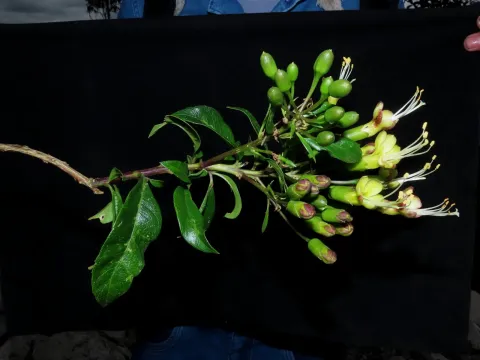
Cantua pyrifolia
Cantua pyrifolia
Cantua pyrifolia belongs to the Polemoniaceae family and is an evergreen shrub native to the high-altitude regions of the Andes. This geographical origin dictates its specific needs regarding temperature and air humidity.
What the section contains
Cantua pyrifolia
The plant thrives in cool, humid environments and is not frost-tolerant. It requires protection from temperatures dropping below 5 degrees Celsius to ensure healthy vegetative development and survival throughout the winter.
Soil quality is paramount for this species; it requires a well-draining substrate to prevent root rot. A mixture of peat, loam, and coarse grit is recommended to maintain aeration and moisture balance.
In terms of light exposure, the plant prefers bright, indirect sunlight. Harsh, direct afternoon sun can scorch the foliage, while deep shade will result in spindly, weak growth and poor flowering performance.
Regular maintenance involves consistent watering when the substrate becomes dry to the touch and applying a balanced fertilizer during the growing season to support the plant's nutritional requirements.
Spider mites are a common pest for Cantua pyrifolia, particularly in dry greenhouse conditions. These pests can quickly weaken the plant by feeding on the sap, necessitating periodic inspections of the leaves.
Root rot, primarily caused by fungal pathogens due to waterlogged soil, represents a severe threat to the shrub. Proper drainage management is the primary preventative measure against this condition.
Powdery mildew can affect the leaves, especially when air circulation is poor or humidity levels are stagnant. Fungicide treatments and improved airflow are essential for effective disease management.
Aphids often target new, succulent growth. Early detection and the use of targeted insecticides or natural soaps help to prevent widespread infestation and potential plant deformation.
Overall, maintaining a clean and well-ventilated environment is the most effective way to protect the plant from pests and diseases, ensuring its long-term health and vitality.