
Schleichers bentgrass
Agrostis schleicheri
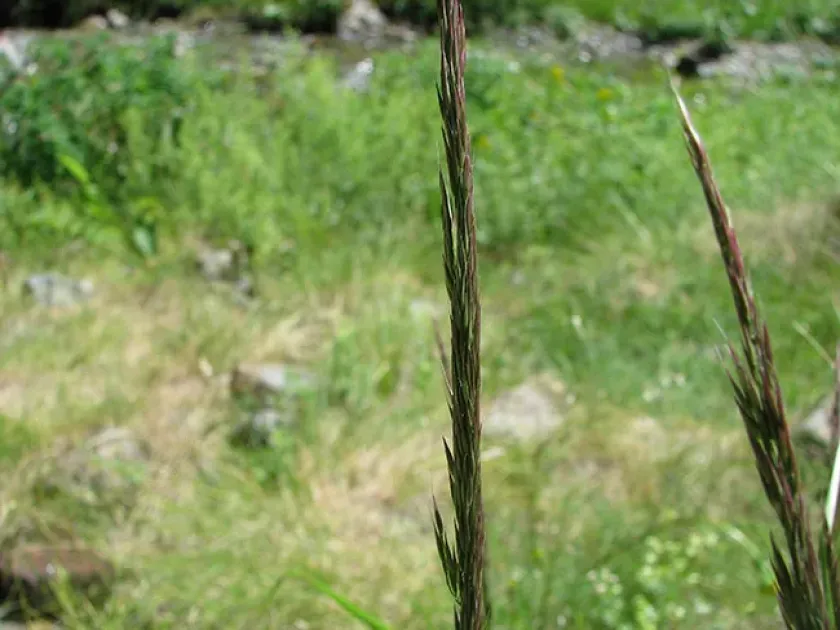
Description
Sowing dates
Schleichers bentgrass (Agrostis schleicheri) is a perennial bunchgrass belonging to the Poaceae family. In its natural habitat, it is a key component of mountain meadows, where it propagates effectively through seeds that disperse in the late summer and autumn months.
For agricultural cultivation, sowing should be conducted in early spring as soon as the soil reaches a temperature of at least 5–7 degrees Celsius. Given the tiny size of the seeds, farmers must ensure the seedbed is finely prepared to prevent the seeds from being buried too deep.
The ideal sowing depth is between 1 and 1.5 centimeters. If buried deeper, the seedlings struggle to reach the surface, leading to a significant reduction in stand density. Using a light roller after sowing is highly recommended to improve soil-seed contact.
Seeding rates typically range from 6 to 10 kg per hectare. When used in complex seed mixtures, this rate may be reduced depending on the competitive dominance of other grass species included in the pasture mixture.
Germination is generally slow, so it is essential to manage weed pressure during the establishment phase. Proper irrigation or adequate rainfall during the first month is critical for the survival of young plants as their root systems are still developing.
Growing requirements
Schleichers bentgrass is naturally adapted to cool and moist climates, which makes it an excellent choice for temperate or mountainous regions. It exhibits high cold tolerance, allowing the plants to survive harsh winters without significant biomass loss.
The crop thrives in well-drained loamy or sandy-loam soils. While it appreciates moisture, it does not tolerate waterlogging, which can cause root rot. Therefore, selecting fields with good natural drainage or installing tile drainage is beneficial for long-term productivity.
Soil pH should ideally be in the neutral to slightly acidic range. In overly acidic soils, the application of lime is recommended to improve the nutrient uptake capacity of the root system and enhance overall vegetative growth.
The grass is known for its shade tolerance compared to other forage grasses, making it suitable for silvopasture systems or areas with canopy cover. However, it responds best to full sunlight when grown in intensive hay production fields.
Although it possesses some drought tolerance due to its high density, prolonged dry spells in summer will reduce its growth rate. The plant quickly enters a state of dormancy during severe droughts and recovers rapidly once moisture levels return to normal.
Main diseases and pests
Like many species of the Agrostis genus, Schleichers bentgrass can be susceptible to various fungal pathogens under conditions of high humidity and poor air circulation. Rust diseases and powdery mildew are common threats that can affect leaf quality during the summer months.
Pest management is rarely intensive for this crop, but infestations by grass-feeding aphids or certain types of moth larvae can occur during outbreaks. Regular monitoring of the pasture stand is recommended to identify early signs of damage.
Overgrazing is one of the main threats to the persistence of a Schleichers bentgrass stand. Continuous heavy grazing without adequate recovery periods can deplete root reserves, leading to soil compaction and increased susceptibility to opportunistic weed invasion.
Competition from aggressive weeds like couch grass or docks can displace the bentgrass in improperly managed fields. Maintaining proper soil fertility and implementing controlled grazing intervals help keep the crop competitive and healthy throughout the growing season.
In cases of severe disease outbreaks, integrated pest management practices should be followed, including the use of resistant varieties (if available) and timely mowing to remove infected biomass. Avoiding excessive nitrogen application can also help keep disease levels low.
Harvesting
Schleichers bentgrass is primarily used for hay and pasture. Its fine texture and high leaf-to-stem ratio make it a high-quality forage option for livestock, particularly sheep and cattle that prefer soft, palatable grasses during the winter months.
In grazing systems, it is appreciated for its ability to form a dense sod that withstands foot traffic. Frequent rotational grazing encourages lateral spreading, which creates a durable carpet that protects the soil from erosion and compaction.
For hay production, the optimal harvest time is at the beginning of the heading stage. Harvesting at this stage captures the perfect balance between high protein content and maximum dry matter yield, ensuring high nutritional value for stored feed.
Post-harvest handling requires careful drying to preserve the delicate leaves, which are prone to shattering if over-dried. Using modern equipment for tedding and windrowing allows the producer to maximize the quality of the harvested hay.
For seed production, fields should be harvested as soon as the inflorescences show signs of maturity but before significant seed shattering occurs. Direct combining is the standard method, followed by immediate cleaning and drying to maintain seed viability for future use.