
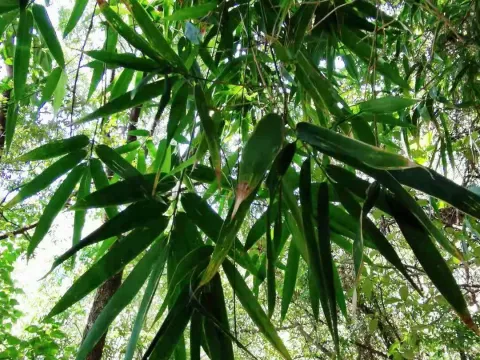
Schizostachyum
Schizostachyum
Schizostachyum is a genus of perennial evergreen plants belonging to the Poaceae family. This tropical bamboo is native to the lush regions of Southeast Asia and various Pacific islands, thriving in environments with consistent warmth.
What the section contains


Schizostachyum
The plant requires a tropical climate with high average temperatures and high humidity levels throughout the year. It lacks cold hardiness and must be protected from frost, as cold stress can be fatal to young shoots.
Ideal soil conditions for Schizostachyum include well-drained, fertile loams that are rich in organic matter. While the plant appreciates moisture, it cannot tolerate waterlogged soils, which can lead to root decay.
Cultivation practices involve selecting locations with adequate sunlight, although the plants can tolerate partial shade in the early stages of development. Consistent moisture is vital, often requiring irrigation in areas with a distinct dry season.
Agronomic maintenance includes periodic mulching to suppress weeds and maintain soil moisture levels. Balanced nitrogen-based fertilization is recommended to promote the development of strong, thick culms and accelerate growth rates.
The primary economic value of Schizostachyum lies in its high-quality, thin-walled culms. These are widely utilized in traditional construction, crafting, and the creation of household tools and furniture.
A notable application of this species is in the manufacturing of musical instruments, specifically flutes and wind instruments. Its structural acoustic properties make it highly sought after by musicians and artisans.
Beyond crafts, the bamboo is used for agricultural supports and temporary fencing in farming systems. Its durability and flexibility make it an excellent sustainable alternative to synthetic materials.
Harvesting efficiency is maximized by implementing a selective cutting system, which preserves the vitality of the bamboo grove. This allows for annual yields while maintaining the structural integrity of the root system.
Post-harvest processing often involves seasoning or drying the culms in a controlled environment. This step is essential to increase hardness, prevent warping, and enhance the longevity of the finished products.
Fungal diseases pose the greatest threat to Schizostachyum, especially in regions with stagnant air and excessive moisture. These pathogens can cause stem discoloration and compromise the wood quality.
Various insect pests, including aphids and mites, frequently target tender young bamboo shoots. Integrated pest management, including the introduction of natural predators, is the preferred method for control.
The bamboo weevil is a significant pest that bores into the culms, causing internal structural damage. Regular plantation inspections are critical to detect and remove infected stalks before the damage spreads.
Poor plantation design, specifically overcrowding, inhibits air circulation and increases the risk of disease outbreaks. Proper spacing between individual plants is necessary for long-term plantation health.
Maintaining sanitary conditions within the grove, such as removing fallen leaves and debris, significantly reduces the habitat for potential pests and soil-borne diseases.