
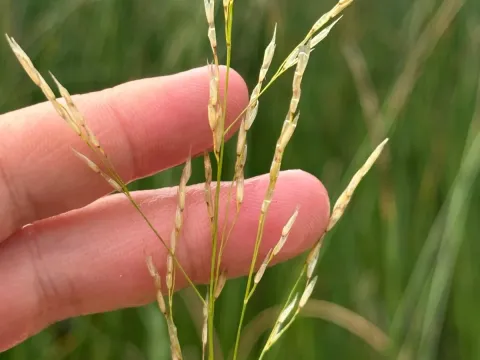
Scolochloa
Scolochloa
Scolochloa, commonly known as river grass, is a perennial aquatic or semi-aquatic plant belonging to the Poaceae family. It is characterized by its significant rhizomatous growth habit.
What the section contains

Scolochloa
The plant is specifically adapted to riparian habitats, including river floodplains and marshes. It thrives in soils that remain saturated with water for extended periods throughout the growing season.
Scolochloa demonstrates remarkable tolerance to prolonged submersion, making it an essential species for maintaining biodiversity and productivity in wetland ecosystems.
It prefers fertile, alluvial soil types that are rich in organic sediment. The plant requires a balanced nutrient supply, which is naturally replenished by flood events in its native range.
As a cold-hardy species, it is well-suited to temperate climates, exhibiting robust growth patterns from early spring to late autumn across Northern Hemisphere regions.
In agricultural practice, Scolochloa is valued as a forage crop. It produces a substantial volume of green biomass that is highly palatable to livestock when harvested during the vegetative phase.
The forage quality is at its peak prior to flowering. Once the stems lignify and reach the reproductive stage, the nutritional content drops, necessitating timely management of the harvest schedule.
The yield of dry matter is largely determined by the success of the annual hydrological cycle and the availability of mineral nutrients deposited by water runoff.
Beyond agricultural forage, the species is widely recognized for its role in soil stabilization. Its extensive root network anchors banks, preventing erosion in flood-prone areas.
Scolochloa also serves as a vital habitat for various wildlife species, providing nesting sites for birds and cover for aquatic fauna, thereby supporting the ecosystem health.
The primary threats to Scolochloa include fungal pathogens, such as rusts and smuts, which can develop rapidly in humid conditions and impact the vigor of the plant stands.
Insect pests, including cereal flies and various leaf-eating beetles, occasionally cause damage by feeding on young leaves or developing flower structures during the early growing season.
Competition from invasive plant species represents a significant threat, particularly in areas where the natural water flow has been modified or drained by human activity.
Effective management strategies involve monitoring for signs of infection and utilizing strategic cutting regimes to limit the spread of pests and diseases across the meadow.
Maintaining the natural hydrological integrity of the site is the most effective way to keep the plant population healthy and resistant to major biotic stresses.