
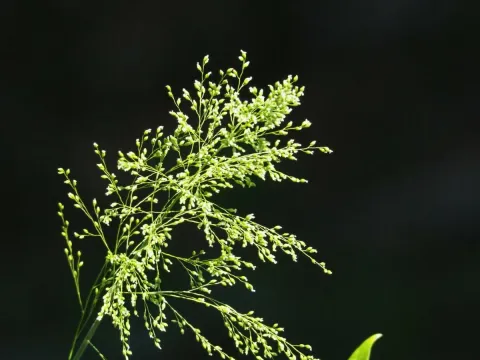
Panicum sarmentosum
Panicum sarmentosum
Panicum sarmentosum is typically sown in spring when soil temperatures reach 12-15°C. Optimal planting windows occur during the latter half of spring to ensure vigorous and uniform emergence.
What the section contains
Panicum sarmentosum
Field preparation should prioritize a fine-textured seedbed to ensure maximum soil-to-seed contact. Since the seeds are small, they should be planted at a shallow depth of 2-3 centimeters to facilitate sprouting.
Seeding rates are adjusted based on seed purity and planting methods. Drilling in rows is considered the most efficient technique for achieving a consistent canopy and ease of subsequent maintenance.
In regions with cool or prolonged springs, light rolling after sowing is recommended. This practice promotes capillary moisture movement to the seeds and prevents them from drying out in the topsoil.
Weed management is critical during the seedling stage, as the plant exhibits slow initial growth. Timely harrowing helps establish a strong stand without excessive competition.
As a member of the Poaceae family, this grass thrives in humid tropical and subtropical climates. It prefers sunny locations but demonstrates tolerance to partial shade, making it versatile in various landscapes.
Soil requirements include excellent moisture retention and fertility. The crop performs best on well-drained loams, while avoiding stagnant, waterlogged areas which hinder root development.
The ideal temperature range for vegetative growth is 20-28°C. Temperatures significantly below this threshold will result in slowed physiological development and reduced biomass production.
The crop responds positively to nitrogen fertilization, which is essential for stimulating rapid regrowth after harvesting. Balanced nutrient management is key to maintaining long-term field productivity.
Regular irrigation is necessary, particularly during tillering and stem elongation phases. Moisture stress during these critical growth stages can lead to reduced forage quality and lower yields.
Panicum sarmentosum is a perennial species with high regeneration capacity. Under optimal management, it can provide multiple harvest cycles throughout a single growing season.
The total yield of fresh green biomass depends largely on soil fertility and the frequency of irrigation. Under ideal conditions, it produces significant quantities of high-quality feed for livestock.
Dry matter yields vary depending on the growth stage at harvest. Early harvesting ensures superior digestibility, though it may result in slightly lower total biomass compared to more mature crops.
Strategic fertilization following each cutting cycle significantly increases the cumulative seasonal yield. This makes the grass an economically viable option for intensive forage systems.
High yield potential is maintained for several years provided that harvesting is performed at correct intervals and grazing pressure is strictly managed to avoid crown damage.
The crop is susceptible to fungal diseases such as leaf rust, particularly under conditions of high humidity. Proactive monitoring and maintaining proper plant spacing can minimize these risks.
Common pests include grass fly larvae and various aphid species that damage young shoots, potentially stunting plant development and reducing overall leaf area.
Nematode infestations can damage root systems, leading to nutrient deficiency and reduced plant vigor. Regular field scouting is necessary to identify and treat hotspots early.
Biological and chemical control methods can be employed when pest populations exceed economic thresholds. Selection depends on the specific pest complex and local regulations.
- Routine inspection of foliage for disease symptoms
- Strategic crop rotation to reduce soil-borne pathogen loads
- Ensuring proper field ventilation through appropriate density
The primary use of this crop is as green fodder or hay for livestock. Harvesting should be timed at the onset of the flowering phase to maximize nutritional value.
When producing hay, rapid drying is essential to preserve vitamins and prevent microbial spoilage. Turning the swaths periodically ensures moisture is removed evenly from the biomass.
To produce high-quality forage, harvesting must occur before stems become too lignified. Late harvesting significantly reduces digestibility and palatability for animals.
Mechanical harvesting with mower-conditioners is recommended to expedite the drying process. Cutting heights should be sufficient to prevent damage to the plant's perennating tissues.
Stored hay should be kept in well-ventilated structures protected from rain and humidity. Moisture content in finished hay must be kept below 17% for safe, long-term storage.