
Panicum prionitis
Panicum prionitis
Panicum prionitis is a perennial grass species belonging to the Poaceae family. Native to South America, this plant is well-adapted to varied environments, often thriving in wetland margins and tropical floodplains where other forage grasses might struggle.
What the section contains
Panicum prionitis
The plant requires high levels of solar radiation for optimal biomass production. While it is adaptable to different soil types, it performs best in moisture-retentive, nutrient-rich soils that support its aggressive root system development during the peak growing season.
Temperature management is vital, as this species is inherently tropical. It thrives in warm climates and does not tolerate frost, which makes it suitable only for specific geographical zones where the thermal regime allows for year-round or long-season growth.
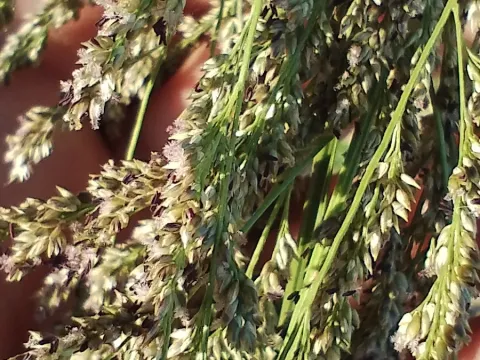
Botanically, Panicum prionitis is characterized by robust, tall culms and elongated, tough leaves. Its ability to create dense vegetative cover makes it an excellent choice for soil stabilization and large-scale forage production in agricultural landscapes.
Economic utility is largely found in the livestock industry, where it serves as a reliable source of roughage. When harvested at the correct physiological stage, it provides sufficient nutrients for grazing animals or can be ensiled for winter feeding.
Fungal diseases, particularly rusts and leaf spots, pose the most significant threat to Panicum prionitis, especially in areas with high humidity and limited air movement through the foliage. Regular inspection is recommended.
Pest pressures are generally manageable but may involve leaf-chewing insects or aphids during the warmer months. Integrated pest management strategies are preferred to maintain the quality of the green matter intended for feed.
Soil-borne pathogens can affect root health if the site becomes waterlogged for extended periods beyond the plant's natural tolerance. Proper drainage design is essential to mitigate the risk of root decay.
Weed management is critical during the initial establishment phase. Once the stand is fully developed, the competitive nature of the plant usually suppresses most invasive weeds within the plot.
Cultural practices such as rotational grazing or periodic mowing are essential to prevent the accumulation of overly lignified plant material. Proper timing of these interventions helps in maintaining the health and vigor of the stand.