
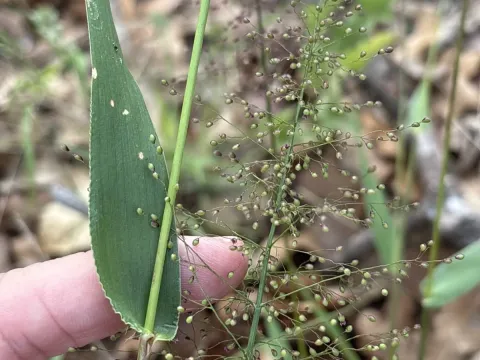
Panicum sphaerocarpon
Panicum sphaerocarpon
Panicum sphaerocarpon, commonly known as roundseed panicgrass, is a perennial or annual grass within the Poaceae family. Sowing is typically performed in early spring once soil temperatures reach 12–15 degrees Celsius to ensure uniform germination.
What the section contains
Panicum sphaerocarpon
A fine, firm seedbed is required for optimal contact between seeds and soil. Seeds are usually planted at a depth of 2 to 4 centimeters using a standard drill method, which maintains uniform spacing and density across the field.
Adequate soil moisture during the germination phase is critical. In regions with dry springs, irrigation may be necessary to support the establishment of young seedlings during their sensitive initial growth stage.
The plant demonstrates good adaptability to various soil types, but it is best sown on well-drained loamy or sandy loam soils. It is often used as a component in mixtures for pasture improvement and soil stabilization projects.
Proper timing is essential to avoid potential frost damage. By planting when soil is sufficiently warm, growers ensure rapid growth that helps the crop compete effectively against emerging weed populations.
This species thrives in full sun but can tolerate partial shade, though sunlight intensity significantly impacts its overall biomass production. High light exposure is directly linked to better carbohydrate accumulation in the stems.
The plant is versatile regarding pH, generally preferring slightly acidic to neutral soils (pH 5.5–7.0). It exhibits high tolerance for various moisture levels, including temporary saturation, making it suitable for diverse terrain.
It displays remarkable drought resistance once established, thanks to a deep and efficient root system. However, for maximum forage yield, consistent moisture throughout the growing season is highly recommended.
Fertilization should prioritize nitrogen to boost leaf and stem growth, while phosphorus and potassium applications help build strong root systems and improve stress resilience. Over-fertilization with nitrogen can occasionally lead to lodging.
The crop is highly responsive to managed intensive grazing or cutting regimes. Maintaining a balance between utilization and recovery periods is the primary key to keeping the stand productive for multiple seasons.
Yields of Panicum sphaerocarpon are highly dependent on management intensity and soil fertility. In ideal conditions, the crop can produce between 15 and 25 tonnes of green mass per hectare across multiple cuttings.
The rate of regrowth after harvesting is impressive, making this grass a staple in regions requiring quick-turnover forage. Regular cutting prevents the stems from becoming too lignified, thus maintaining high nutritional quality.
Seed production potential is substantial, though harvesting requires precise timing. Seed yields are often secondary to forage production, but they provide significant value for landscape restoration and conservation seeding.
Effective weed control during the establishment phase is the most critical factor influencing yield. In clear stands, the density of the grass quickly becomes sufficient to shade out competing weeds naturally.
Incorporating the grass into a rotational grazing plan can optimize livestock carrying capacity. By utilizing forage at the peak of its vegetative state, farmers can maximize both animal weight gain and stand longevity.
Disease outbreaks, particularly smut fungi, can affect Panicum sphaerocarpon in humid environments. Treating seeds with preventative fungicides is a standard procedure to reduce the risk of early infections.
Rust diseases may appear on leaves during periods of stagnant, humid air. Proper management of canopy density through appropriate seeding rates and regular mowing helps increase airflow and reduce the incidence of leaf pathogens.
Insect pests, specifically grass flies, may target emerging shoots. Integrated pest management (IPM) strategies, including field monitoring and occasional insecticide use, are effective in controlling damage below economic thresholds.
Wireworms can be problematic, particularly if the field was previously occupied by long-term sod. Rotating crops with non-host species is an effective cultural control method to minimize pest populations.
General field hygiene, such as removing old plant residues and maintaining clean field borders, helps reduce the reservoir of pests and diseases that might otherwise migrate into the active crop stand.
Harvesting for forage should occur during the early boot to initial heading stages to ensure the highest protein content. Delaying the harvest leads to an increase in fiber content, which reduces digestibility for livestock.
When producing hay, mechanical conditioning is recommended to speed up the drying process. By crushing the stems, moisture is released more quickly, preserving the green color and essential vitamins.
Harvesting for seeds requires waiting until the grains reach physiological maturity, indicated by a firm texture. Gentle handling during harvest is necessary to minimize the risk of seed shattering in the field.
Post-harvest storage requires well-ventilated conditions to prevent mold growth. Reducing seed moisture to below 14 percent is necessary for long-term viability and to maintain seed quality during the storage period.
After each cut, a recovery period is essential to allow the plant to replenish its carbohydrate reserves in the root system. Proper rest intervals ensure the long-term sustainability of the pasture or meadow.