
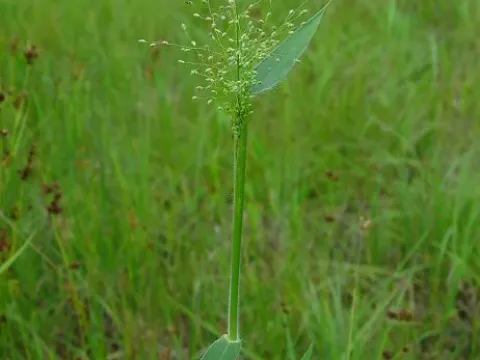
Panicum scoparium
Panicum scoparium
Panicum scoparium is a member of the Poaceae family. While often recognized as a wild grass, it holds specific biological interest due to its growth habits and potential utility in land restoration or specialized forage production systems.
What the section contains
Panicum scoparium
The sowing window for this species depends heavily on soil warming. It requires consistent temperatures above 15 degrees Celsius to trigger germination. Planting in cold, wet soil frequently results in poor emergence and susceptibility to soil-borne pathogens.
Seeding rates should be adjusted based on seed quality and soil preparation methods. A standard row spacing of 15 to 20 centimeters is generally recommended to balance the need for uniform plant density with the requirement for mechanical weeding.
Planting depth must be carefully controlled, typically between 2 and 3 centimeters. Placing seeds deeper than this threshold can significantly reduce seedling vigor, as the energy reserves in the seed are insufficient for deeper emergence.
Post-seeding compaction using a roller is a recommended agronomic practice. This improves the physical contact between the seeds and the soil, facilitating the hydraulic uptake necessary for rapid and uniform germination in variable weather conditions.
This grass species is well-adapted to environments that provide abundant solar radiation and adequate moisture during the growing phase. It exhibits good tolerance to moderate drought conditions once the root system is fully established.
Soil texture is a vital factor in its development. Panicum scoparium performs best in light, sandy loams or well-drained silt soils. Extremely heavy or waterlogged soils are detrimental and should be avoided to prevent root rot.
Fertility management should focus on balanced nutrient application. While nitrogen promotes vegetative growth, excessive amounts can lead to overly succulent stems that are prone to lodging, which significantly complicates harvesting operations.
Soil aeration is essential for optimal growth. Regular cultivation between rows is beneficial, as it allows for proper oxygen penetration into the root zone and helps manage competitive weed populations effectively throughout the season.
Light availability is critical for the developmental transition from vegetative to reproductive stages. Competition within dense stands can cause etiolation and reduce the overall seed set, emphasizing the need for proper seeding density management.
Smut diseases represent the most significant pathological threat to this species. These fungal infections specifically target the reproductive structures, replacing seeds with spore masses and drastically reducing the potential for crop reproduction.
Cereal flies are a major pest concern, particularly during the early tillering stages. The larvae feed on the tender stems, often causing the death of the primary tiller and resulting in significant stand thinning if not controlled in time.
Aphids can cause stress during periods of low rainfall by colonizing the undersides of leaves. Their feeding behavior not only depletes the plant of vital fluids but also spreads viral pathogens that can compromise the long-term health of the crop.
Soil-dwelling larvae, such as wireworms, pose a risk to newly established stands. Their feeding on the roots and underground stems often goes unnoticed until the plant shows signs of sudden wilting or yellowing.
Effective pest management relies on preventative measures such as crop rotation and the use of treated seeds. Monitoring thresholds should be established to ensure that chemical interventions are applied only when economically justified.