
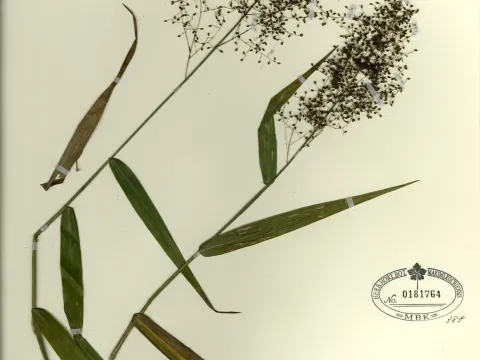
Panicum incomtum
Panicum incomtum
Sowing is typically initiated once the soil has warmed sufficiently, as the seeds require stable temperatures to ensure successful germination. It is advisable to wait until the risk of frost has passed, targeting a soil temperature at sowing depth of at least 12–15 degrees Celsius.
What the section contains
Panicum incomtum
Seeds should be placed at a depth of 2 to 4 centimeters, depending on soil type and moisture availability. In arid or dry conditions, light rolling of the soil after sowing can significantly improve seed-to-soil contact, thereby accelerating the emergence of uniform seedlings.
The seeding rate is determined by the intended final use, with higher densities required for green fodder production. On average, farmers should apply 15 to 25 kilograms of seeds per hectare, maintaining row spacing between 15 and 30 centimeters for optimal plant growth.
Effective pre-sowing soil preparation is critical, as it eliminates weeds that compete with the crop during its early stages. Applying starter nitrogen fertilizers at the time of planting helps stimulate root development and promotes rapid initial growth of the shoots.
Timing the sowing correctly prevents the crop from struggling against late-season weeds and ensures it utilizes available soil moisture efficiently during its most critical vegetative growth periods.
As a member of the Poaceae family, this species is highly adaptable to various environmental conditions, yet it thrives best in well-lit, sunny areas. The plant is photophilous, and significant shading can lead to reduced biomass quality and overall growth retardation.
The crop is not overly demanding regarding soil type, performing well in various substrates ranging from light sandy loams to heavier silt soils. However, the best yield results are typically achieved in fertile soils with a neutral pH level and adequate drainage properties.
The species exhibits impressive resistance to short-term drought due to its robust root system, which allows it to access deeper soil moisture. Nevertheless, for maximum dry matter yield, consistent moisture during the tillering and stem elongation phases is highly recommended.
An optimal temperature range of 20 to 30 degrees Celsius is ideal for active growth. The plant is well-suited to tropical and subtropical climates where it can endure high summer heat without experiencing significant stress or loss of productivity.
Balanced mineral nutrition, particularly nitrogen for leaf growth and potassium for enhanced stress tolerance, is essential. Ensuring the soil is well-aerated further supports root respiration and nutrient uptake throughout the entire growth cycle.
Productivity is highly dependent on the quality of agronomic practices and the inherent fertility of the soil. When managed under ideal conditions, this crop is capable of producing significant volumes of biomass over a relatively short growing season.
For operations focused on forage production, the priority is maximizing dry matter yield, which remains high in energy and nutritional content if harvested at the correct time. Expected yields of dry biomass typically range between 8 and 12 metric tons per hectare per cutting.
Implementing modern irrigation systems and precision fertilization can increase yields by 20–30% compared to traditional, extensive farming methods. Its ability to regrow rapidly after mowing makes it an excellent candidate for multi-cut harvest systems.
Yield performance is strongly influenced by weather patterns, specifically the number of sunshine hours during the vegetative phase, which directly impacts the plant's photosynthetic efficiency and carbohydrate accumulation.
Given its yield potential and adaptability, the crop serves as a reliable option for farmers operating in regions with long, warm growing seasons who require stable feed production.
Common diseases affecting this crop include various types of smut and rust fungi that target the leaves and inflorescences. Preventive strategies should include using treated seed and strictly adhering to crop rotation schedules to break pathogen cycles.
Pests such as cereal flies and aphids can pose a significant threat to young seedlings, often causing deformation or plant death. Regular field monitoring is essential to detect pest activity early, allowing for timely intervention before economic damage occurs.
Stem-boring insects may occasionally affect the crop, potentially reducing overall plant health and quality. Integrated pest management (IPM) practices, including the limited use of selective insecticides, should only be employed when pest thresholds are crossed.
Excessive humidity or overcrowded planting can create favorable conditions for fungal diseases like powdery mildew. Proper field ventilation and maintaining appropriate stand density are effective measures to reduce the prevalence of these infections.
A comprehensive protection plan should include:
- Crop rotation to disrupt the lifecycle of soil-borne pathogens.
- Using certified, treated seed for every sowing season.
- Deploying pheromone traps to monitor pest populations.
- Applying fungicides promptly at the first sign of disease outbreaks.
Harvesting should occur at the early heading or flowering stage, as this is when the plant contains its peak levels of protein and digestible fiber. Delayed harvesting leads to stem lignification, which decreases the nutritional value of the final forage product.
Mechanized harvesting with mower-conditioners is preferred, as it facilitates rapid drying and nutrient preservation. To ensure vigorous regrowth for subsequent cuttings, the stubble height should be maintained at approximately 8 to 10 centimeters.
Following the initial cut, the biomass should be dried until moisture levels are safe for storage or ensiling. Utilizing modern agricultural equipment ensures that leaf loss is minimized, as leaves contain the highest concentration of essential nutrients.
If the crop is intended for seed production, harvest is delayed until full maturity. Using specialized combine settings allows for efficient grain collection, followed by immediate cleaning and drying to prevent spoilage during storage.
Favorable weather conditions during the harvest window are vital for high-quality product output, making weather monitoring a key component of farm management during the pre-harvest phase.