
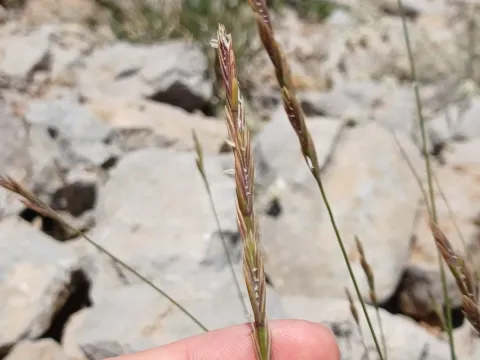
Lebanese wheatgrass
Elymus libanoticus
Lebanese wheatgrass (Elymus libanoticus) is a perennial herbaceous plant belonging to the Poaceae family. This species is recognized for its significant resilience and potential utility in agricultural systems located in harsh, arid climates.
What the section contains
Lebanese wheatgrass
Native to the mountainous regions of the Middle East, including Lebanon and Syria, this grass has evolved to thrive in environments with limited water availability and extreme temperature fluctuations. Its natural habitat is characterized by rocky terrain and thin soil layers.
The botanical structure of Elymus libanoticus features a robust root system, which is essential for stabilizing soil and accessing deep moisture. The plant produces a characteristic spike inflorescence, typical of its genus, which ensures efficient seed dispersal and reproduction.
Regarding soil and climatic requirements, this grass prefers well-drained, alkaline, or calcareous soils. It is highly intolerant of waterlogging and prefers sunny locations where the soil can warm up rapidly in the spring, promoting early development.
Agricultural use of Lebanese wheatgrass is mainly focused on erosion control and forage production in dryland environments. Due to its hardiness, it serves as a valuable component in restoration ecology and sustainable rangeland management projects.
The primary diseases affecting Lebanese wheatgrass are fungal infections such as rust and powdery mildew, which thrive in humid or poorly ventilated conditions. Effective management involves maintaining adequate spacing and ensuring sufficient air circulation between plants.
Pests such as cereal flies and stem-boring insects pose a significant threat to the vegetative and reproductive stages of the plant. Monitoring and early intervention are crucial to prevent damage to the spike and grain formation.
Weed infestation presents a competitive challenge during the seedling establishment phase. Using high-quality seed and proper soil preparation before sowing can significantly reduce competition from unwanted vegetation.
Nematode activity in the rhizosphere can affect overall plant vigor in older stands. Rotating fields and avoiding continuous planting of the same species on the same plot are recommended practices to mitigate these soil-borne issues.
Overgrazing poses a systemic threat to the longevity of the grass stand, as it depletes the carbohydrate reserves stored in the roots. Implementing a rotational grazing schedule is essential to ensure the sustainable productivity of the forage area.