
Slender hairgrass
Deschampsia elongata
Description
Growing requirements
Slender hairgrass, scientifically known as Deschampsia elongata, is a perennial bunchgrass belonging to the Poaceae family. It is native to North and South America, thriving in temperate and cool climates.
This grass is highly adapted to wet environments. It is commonly found in moist meadows, riparian zones, and damp open woodlands, where it demonstrates excellent tolerance to high soil moisture levels.
The plant grows best in loamy soils rich in organic matter. It exhibits a remarkable ability to survive in slightly acidic soils and can withstand periodic flooding, making it a valuable species for low-lying areas.
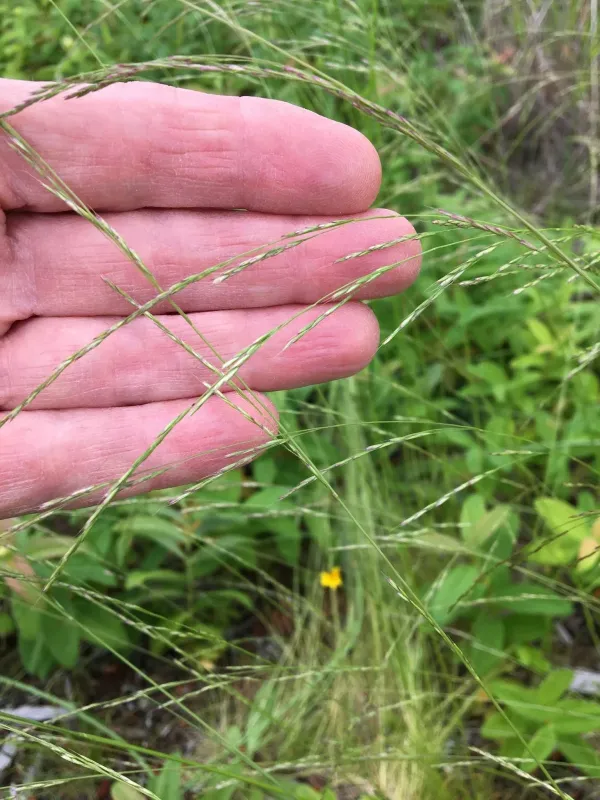
Botanically, it forms dense tufts with slender, flat or folded leaves. The inflorescence is a narrow, elongated panicle, which gives the species its common name and distinct appearance during the flowering season.
In agricultural practice, slender hairgrass is valued for its role in pasture and meadow restoration. It provides consistent forage production in wet sites where traditional agricultural grasses might struggle to establish.
Main diseases and pests
The primary diseases affecting slender hairgrass include fungal infections such as rusts and powdery mildew. These diseases tend to thrive in high-humidity conditions, especially where plant density is excessive.
Insect pests like grass bugs and cereal flies may cause damage to the vegetative parts and reproductive organs. Their impact is most significant during the early growth stages of the plant.
Integrated pest management strategies should focus on maintaining adequate air circulation through proper grazing or mowing regimes to reduce the likelihood of disease outbreaks.
Monitoring the population of insect pests during the spring and early summer is essential for timely intervention and to prevent significant losses in biomass or seed yield.
Soil compaction caused by heavy grazing can negatively affect the root development of the grass. Rotational grazing is recommended to ensure the longevity of the pasture and prevent soil degradation.