
Tsukushi wild rye
Elymus tsukushiensis
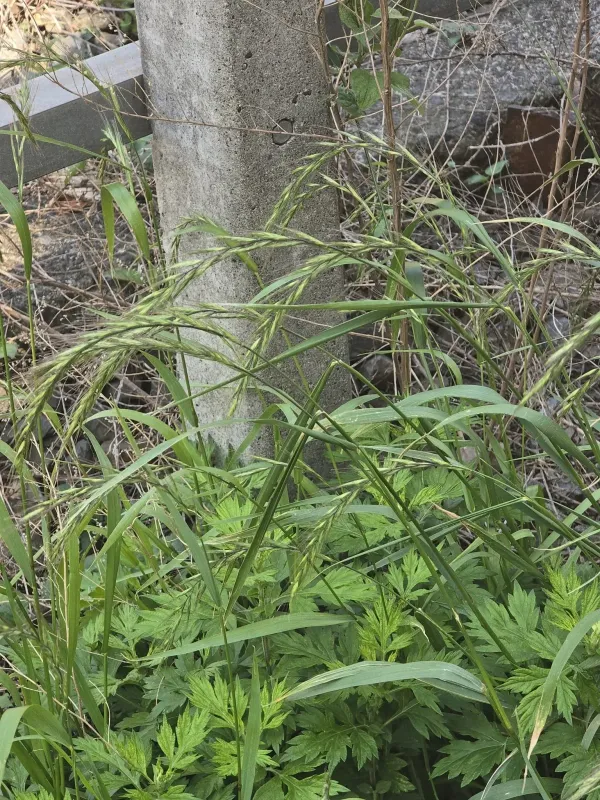
Description
Growing requirements
Tsukushi wild rye is a perennial herbaceous plant belonging to the Poaceae family. This species is recognized for its robust root system and ability to spread effectively in diverse temperate environments, making it a reliable perennial cover.
The plant thrives in well-drained, fertile soils ranging from loamy to sandy compositions. It displays exceptional cold tolerance, allowing the species to survive harsh winters while remaining dormant and preparing for early spring regrowth.
In terms of climate, it prefers regions with moderate precipitation levels. While it is adaptable to partial shade, optimal growth and biomass production are achieved in open, sunny locations with adequate moisture levels in the soil profile.
Agricultural management of this crop requires standard field preparation including tillage and proper seedbed consolidation. Fertilizer application should focus on nitrogen, which significantly boosts leaf development and general plant health throughout the season.
Botanically, it features upright culms and spike-like inflorescences. The plant's architecture allows for a dense stand, which is highly efficient at crowding out competitive weed species and maintaining soil integrity over several years of production.
Yield
The primary economic use of Tsukushi wild rye is in the production of high-quality forage and hay. Livestock producers value it for its palatable green matter, which provides essential fiber and protein when harvested at the appropriate growth stage.
As a pasture component, the crop demonstrates excellent recovery potential after grazing or mechanical mowing. Its ability to regrow quickly enables farmers to secure multiple harvests throughout the growing season, maximizing yield per hectare.
Integrating this grass into forage mixtures enhances the overall nutritional profile of hay. It creates a stable, long-lasting sward that stands up well to high stocking densities, provided that rotational grazing is strictly practiced.
Beyond animal nutrition, the species serves an important role in land conservation and soil stabilization. Its extensive network of roots helps anchor soil particles, making it an excellent candidate for re-vegetation projects on eroded landscapes.
Successful yield management relies on rotational grazing patterns to prevent over-exploitation. By allowing the plants sufficient rest periods, producers ensure the longevity of the pasture and the continued high productivity of the field.