
Mountain hair grass
Deschampsia atropurpurea
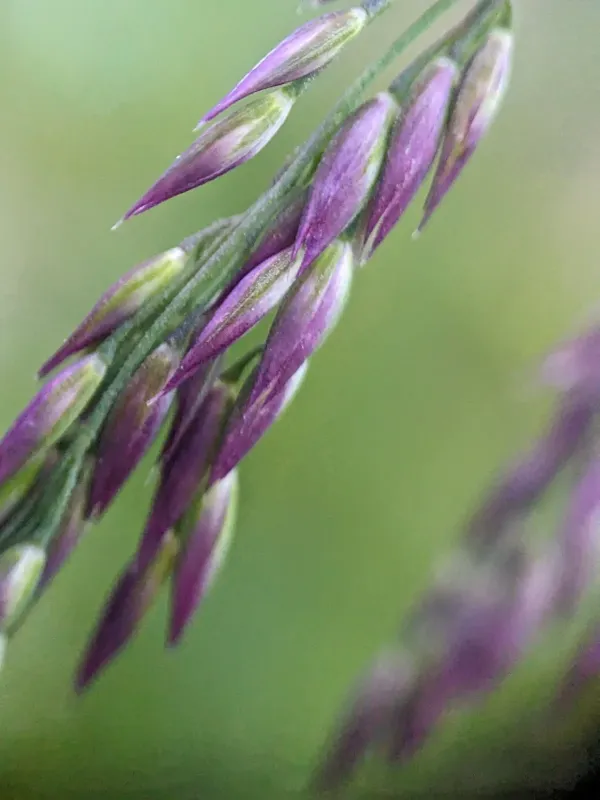
Description
Growing requirements
Mountain hair grass (Deschampsia atropurpurea) is a hardy perennial grass species belonging to the Poaceae family. It is widely recognized for its exceptional resilience in alpine and subarctic environments where other forage crops struggle to survive.
The origin of this species is tied to mountainous and northern regions, where it colonizes wet meadows and rocky slopes. Its distribution covers significant areas of the Northern Hemisphere, showcasing its adaptation to extreme temperature fluctuations and short growing seasons.
Botanically, this grass features dense, fibrous root systems that anchor it firmly in the soil. The inflorescence is distinctively colored with deep purple shades, which is a key diagnostic feature of the species, distinguishing it from other Deschampsia varieties.
Cultivation requires soils with high moisture-retention capacity and good drainage to prevent root rot. It thrives in cooler climates and does not tolerate long periods of intense heat or drought, making it unsuitable for temperate agricultural lowlands.
The agricultural use of this plant is primarily focused on soil erosion control and low-intensity pasture improvement. Its ability to produce nutritious biomass in cold environments makes it a valuable asset for livestock farming in high-latitude territories.
Main diseases and pests
The primary threats to Deschampsia atropurpurea include fungal diseases such as rusts and mildews. These pathogens exploit the moisture-rich habitats preferred by the grass, particularly when air circulation is limited within the dense foliage.
Insect pests include various species of grass aphids and stem-boring larvae that target the developing shoots. Infestations can significantly reduce seed production and diminish the nutritional quality of the forage for grazing animals.
Management of these threats involves cultural practices such as rotational grazing and regular mowing, which disrupt the life cycles of many pathogens. Maintaining appropriate soil fertility is also critical, as nutrient-stressed plants are more susceptible to infection.
Excessive moisture can lead to root pathogens, particularly if the field drainage systems fail. Maintaining proper drainage infrastructure is an essential component of the long-term management of mountain hair grass meadows.
In cases of severe outbreak, limited application of specialized fungicides might be required. However, the focus remains on integrated pest management (IPM) to preserve the environmental integrity of the pastures where this grass is grown.