
Bog hair-grass
Deschampsia setacea
Description
Growing requirements
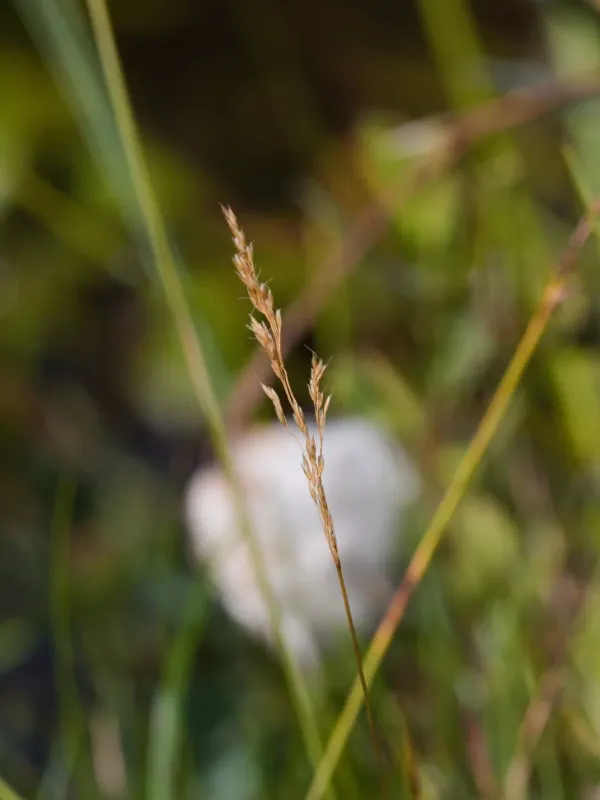
Bog hair-grass (Deschampsia setacea) is a perennial grass species belonging to the Poaceae family. It is recognized by its fine, bristle-like leaves, which allow it to thrive in nutrient-poor and acidic environments.
The plant originates from European regions characterized by temperate and oceanic climates. It is typically found in wet heaths, boggy ground, and locations where acidic soil conditions predominate and limit the growth of more demanding agricultural grasses.
Regarding soil requirements, Deschampsia setacea prefers damp, peaty, or sandy soils with a low pH. It displays remarkable tolerance to waterlogging, provided that the water is oxygenated, making it suitable for ecological restoration projects in degraded wetlands.
Agricultural management of this crop focuses on maintaining its habitat rather than intensive production. Because it is adapted to low-nutrient soils, excessive fertilization should be strictly avoided as it can alter the competitive balance of the plant community.
While not a primary forage grass due to its coarse texture, it plays a vital role in preventing soil erosion on acidic lands. It is also used as a ground cover in specialized landscaping projects that aim to replicate natural moorland conditions.
Main diseases and pests
The plant is generally resilient, but it can be susceptible to rust fungi and powdery mildew in conditions of poor air circulation. Insect pests such as stem borers or aphids may occasionally cause damage if the grass is grown in dense, non-maintained stands.