
Silver hairgrass
Deschampsia argentea
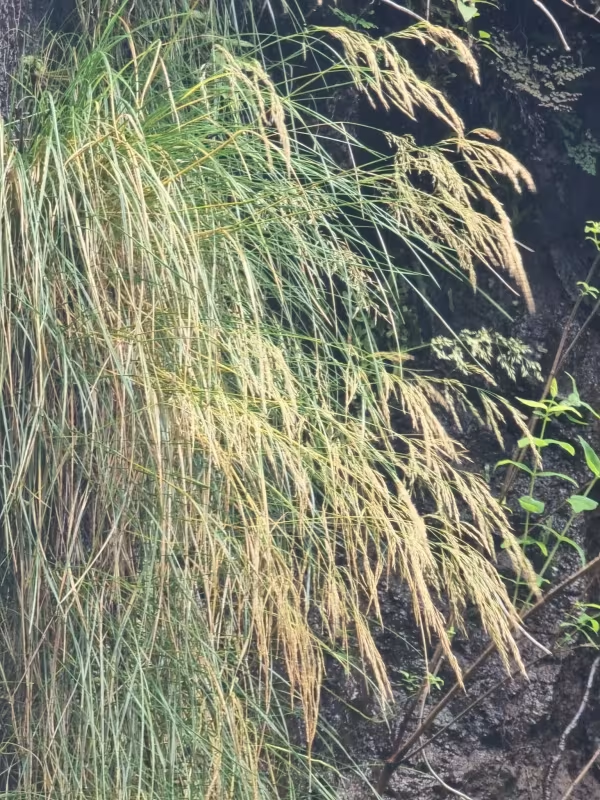
Description
Sowing dates
Sowing of silver hairgrass is primarily carried out in the spring, once the soil temperature reaches 8–10 degrees Celsius. It is crucial to prepare a high-quality seedbed, as the seeds of this grass are very small and require shallow burial to ensure proper germination.
Under cultivation conditions, late autumn sowing is also acceptable, which promotes better seed stratification and earlier seedling emergence in the spring. The optimal burial depth is no more than 1–2 centimeters, which prevents desiccation and ensures sufficient moisture for the embryo.
The seeding rate should be calculated based on the purity and germination of the seed lot, typically ranging from 8 to 12 kilograms per hectare. When establishing managed hayfields or pastures, uniform seed distribution across the entire area is essential for a productive stand.
After sowing, rolling the field is recommended to ensure firm contact between the seeds and soil particles, which is vital for this moisture-loving grass. This practice accelerates the germination process and reduces the risk of seeds being blown away by the wind.
Care for young stands includes regular monitoring to keep the area free of weeds, as silver hairgrass can be suppressed by more aggressive vegetation in its early development stages. Careful control during the first year allows for the establishment of a robust and resilient grass stand.
Growing requirements
Silver hairgrass belongs to the Poaceae family and has specific moisture requirements, preferring moderately moist environments. The plant is well-adapted to cool climates and can withstand significant temperature fluctuations, which are characteristic of its native habitat ranges.
The optimal soils for this crop are loams or sandy loams with sufficient humus content and a slightly acidic to neutral pH level. While the plant loves moisture, it does not tolerate waterlogging, so proper field drainage is an essential condition for successful growth and development.
The crop possesses high cold hardiness, allowing it to be grown in regions with severe winters where other grasses might perish. Low winter temperatures are not a critical threat to the survival of silver hairgrass due to its well-developed root system.
Light exposure is also an important factor; despite having some shade tolerance, the plant achieves maximum green mass productivity under full sunlight. Increased light intensity encourages more vigorous tillering and the formation of a dense, healthy sod layer.
Agricultural management requires moderate applications of nitrogen fertilizers at the beginning of the growing season to stimulate vegetative growth and improve hay yields. Phosphorus and potassium supplements strengthen the root system and enhance the plant's resistance to environmental stress.
Yield
The yield of silver hairgrass depends directly on soil fertility and moisture management, typically ranging from 2.5 to 4 tons of dry matter per hectare under good management. In intensive farming systems using mineral fertilizers, this yield can be significantly increased.
The primary harvest consists of vegetative mass, which maintains high nutritional value during the boot stage. To reach maximum biological productivity, timely mowing is necessary to prevent the stems from becoming too lignified and losing their palatability.
It is important to note that the crop has good regrowth potential after the first harvest, though the speed of recovery depends on soil moisture reserves. With adequate irrigation, two full harvests per growing season are possible, enhancing the economic viability of the crop.
Storage of the harvested crop requires strict humidity control to prevent molding and the loss of essential nutrients. Properly harvested silver hairgrass hay is readily consumed by all types of livestock, which makes it a valuable component in modern forage production systems.
For seed production purposes, yields are generally lower and require precise timing during panicle maturation to prevent losses from shattering. The optimal harvest time is during the late wax stage, which ensures the maximum yield of viable, high-quality planting material.
Main diseases and pests
Major diseases affecting silver hairgrass include various types of rust and leaf spots, which typically occur under high humidity and dense stand conditions. Pathogen development can significantly reduce the quality of the fodder and weaken the vitality of the plants.
Pests such as cereal flies and stem borers can cause serious damage to young stands by attacking the plant's growing point. To prevent pest outbreaks, crop rotation and adherence to optimal agricultural timing for maintenance practices are strongly recommended.
Nematodes that infest the root system may also occur in older stands, leading to premature thinning of the grass cover. Regular monitoring of the phytosanitary status of fields allows for early detection of issues and the implementation of appropriate protective measures.
Disease prevention is primarily based on the use of high-quality, treated seed and maintaining balanced plant nutrition. Strengthening the crop's natural immunity through proper agronomic techniques makes it less susceptible to various environmental and infectious pressures.
In cases of severe epiphytotics, permitted fungicides may be applied, though the use of chemical controls should always be strictly regulated. Integrated pest management (IPM) is the preferred approach in contemporary agronomic practices to ensure both safety and crop health.