
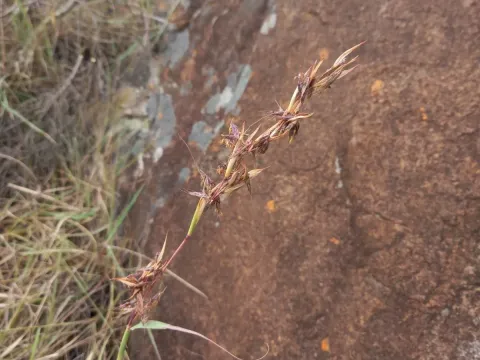
Cymbopogon marginatus
Cymbopogon marginatus
Cymbopogon marginatus is a perennial grass species belonging to the Poaceae family. It is recognized for its significant aromatic potential and specific requirements for climate and soil conditions, which are typical for tropical and subtropical grasses.
What the section contains
Cymbopogon marginatus
The plant thrives in well-drained, sandy-loam soils that are rich in organic matter. Soil pH levels should ideally be maintained in the neutral range to ensure optimal nutrient uptake for the development of vegetative mass.
Climate conditions are critical, as this species requires a warm, frost-free environment with plenty of sunlight. It is highly sensitive to cold temperatures, making it a challenging crop for temperate regions without protective structures.
Regular irrigation is necessary to support its rapid growth rate, but waterlogging must be strictly avoided to prevent root diseases. Maintaining soil aeration through regular inter-row cultivation is a standard practice in commercial fields.
Fertilization regimes focus on nitrogen-rich applications to promote foliage growth, while phosphorus and potassium are essential for long-term plant vigor. Proper management ensures sustainable production over several growing seasons.
Fungal pathogens such as rusts and leaf spots are the most common threats to Cymbopogon marginatus, especially in high-humidity climates. Proper air circulation is the primary method of preventing these outbreaks.
Pests including mites and various aphids can infest the dense foliage of the grass. Monitoring is essential to detect early infestations before they result in significant yield loss or diminished oil quality.
Root rot caused by Oomycetes is a major concern when the irrigation system is poorly managed. If the soil remains saturated for extended periods, the root system loses its ability to absorb nutrients and water.
Integrated pest management strategies are recommended, emphasizing biological controls to preserve the purity of the essential oils. Chemical pesticides should be used as a last resort, keeping in mind the regulations for aromatic crops.
Removing infected plant debris is a vital practice for reducing the inoculum pressure in the field. Cleaning tools and equipment regularly prevents the mechanical spread of diseases between different plant rows.
Harvesting is typically scheduled during the peak vegetative phase, just before the development of inflorescences. This is when the leaves and stalks contain the highest concentration of volatile essential oils.
Mechanical or manual harvesting involves cutting the grass at a specific height above the ground. This allows the plant to regenerate quickly and ensures that the root system remains healthy for future harvests.
Post-harvest handling is critical, as immediate processing is required to extract the oils efficiently. Storage should be in cool, shaded areas to minimize the loss of aromatic compounds due to evaporation.
The extracted essential oils are highly sought after in the food, cosmetic, and fragrance industries. The unique chemical profile of this species makes it a valuable asset in the production of natural scents.
Ongoing maintenance after the harvest, including light irrigation and targeted fertilization, helps the plantation recover. This practice is essential for sustaining long-term yields across several years of operation.