
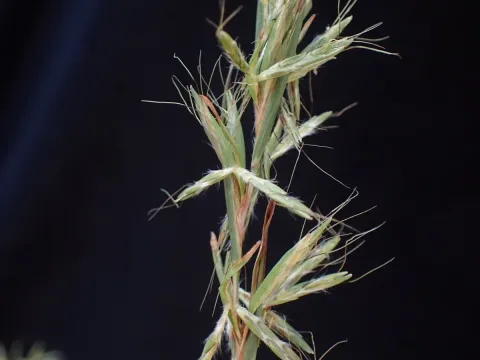
Cymbopogon caesius
Cymbopogon caesius
Cymbopogon caesius is a perennial aromatic grass primarily propagated through vegetative division of the rootstocks. This method ensures the best uniformity of the plantation and preserves the specific genetic traits of the cultivar used for essential oil production.
What the section contains
Cymbopogon caesius
Planting is ideally scheduled for the onset of the rainy season to provide the necessary moisture for rapid establishment. High-quality rootstock cuttings are selected to minimize the risk of transplant shock and to encourage deep root formation.
While seed propagation is biologically possible, it is rarely utilized in commercial agriculture due to low germination rates and the slow initial development of the grass. Vegetative propagation remains the standard for maintaining high-yield plantations.
The spacing between rows is maintained at 60–80 centimeters to facilitate mechanical maintenance and to ensure sufficient light penetration to the base of the plants, which is vital for maximizing aromatic compound density.
Plantations are usually rotated or replanted every four to five years. Prolonged monoculture without soil amendments can lead to a significant decline in vegetative mass production and oil quality.
As a member of the Poaceae family, Cymbopogon caesius thrives in tropical and subtropical climates. It is highly sensitive to cold and requires stable, warm temperatures throughout the entire growth cycle to maintain its metabolic activity.
Well-drained soils, particularly sandy loams, are preferred for successful cultivation. Waterlogging is the most common cause of root rot and must be prevented through proper land grading or the installation of subsurface drainage systems.
The plant is highly heliophilic, meaning it requires full sun exposure for the majority of the day. Shaded environments drastically reduce the essential oil content and result in etiolated, low-quality foliage that is unsuitable for industrial extraction.
Soil pH levels should ideally range between 5.5 and 7.5. The crop is moderately tolerant of nutrient variability but responds exceptionally well to nitrogen-based fertilization programs applied during the active growth phase.
Routine weeding and inter-row cultivation are necessary, especially during the establishment phase, to ensure that the young grass is not outcompeted for soil moisture and sunlight by invasive weeds.
Yield capacity is determined by the frequency of harvesting and the availability of water. Under optimal conditions, the plantation can support 3 to 4 harvests per year, provided the plants are allowed sufficient recovery time between cuts.
The essential oil content is highest just before the flowering phase. Therefore, monitoring the phenological stages of the plants is essential for timing the harvest to ensure the highest quality of the extracted volatile oils.
Fertilization management is critical for yield sustainability. Replacing nitrogen and potassium lost during each harvest cycle ensures that the plants maintain their vigor and continue to produce high-density biomass throughout the year.
Drip irrigation has been shown to increase biomass yield significantly compared to traditional rain-fed methods. It allows for the precise delivery of nutrients, further boosting the efficiency of the entire farming operation.
Yield monitoring involves measuring both the weight of the fresh foliage and the percentage of oil extracted per metric ton of biomass, allowing managers to adjust agronomic practices for better output.
Cymbopogon caesius naturally produces chemical compounds that act as a deterrent to many common pests. However, it is not immune to physiological stress caused by improper soil management or lack of ventilation in the canopy.
Root rot, specifically caused by fungal pathogens in waterlogged soils, is the most common disease threat. Managing soil moisture and improving aeration around the roots are the primary defense strategies against these infections.
Sucking insects, including aphids and spider mites, may infest the plants during prolonged dry spells. These pests damage the foliage and can transmit viral agents, which weaken the plant and reduce the quantity of essential oils produced.
Integrated Pest Management (IPM) practices are recommended to keep damage levels below economic thresholds. This includes the use of biological controls and the removal of infected plants to prevent the spread within the plantation.
Chemical intervention should be strictly regulated or avoided to maintain the organic status of the crop, as the essential oil is destined for sensitive applications in the fragrance and food industries.
Harvesting is performed by cutting the aerial biomass at approximately 10–15 centimeters above the soil level. Precise cutting height is crucial to avoid damaging the crown and to promote rapid regrowth of the next cycle.
The ideal time for harvesting is during the early morning after the dew has evaporated but before the mid-day heat. This ensures that the concentration of volatile essential oils remains at its peak inside the leaf tissue.
Post-harvest logistics must be immediate. The cut grass should be transported to the processing facility as soon as possible to prevent fermentation, which could degrade the chemical composition and the quality of the essential oil.
Industrial processing often involves the use of mechanical shredders to break down the grass before distillation. Increasing the surface area of the shredded material facilitates the efficient release of oils during the steam distillation process.
Proper storage of the harvested material, even for a short duration, requires shade and ventilation to prevent self-heating. High-quality management at this stage directly translates into a higher final market value for the essential oil.