
Cymbopogon exaltatus
Cymbopogon exaltatus
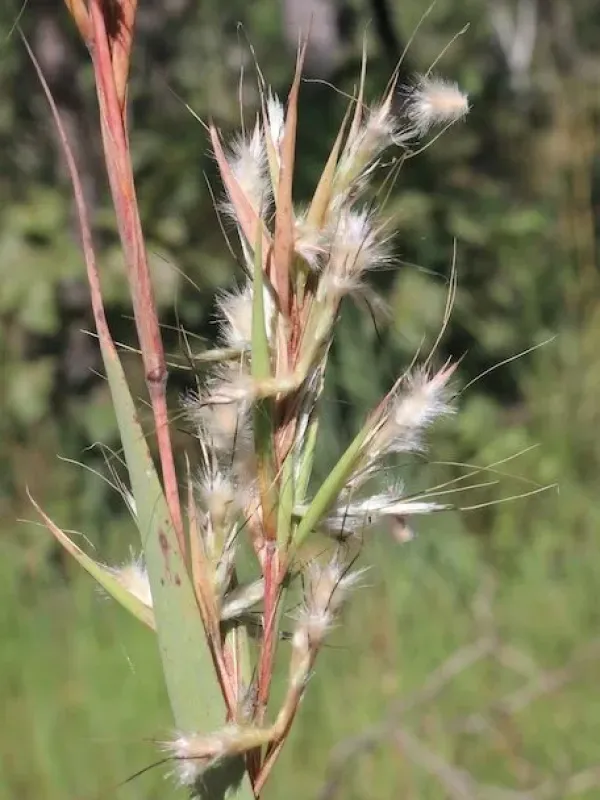
Description
Sowing dates
Cymbopogon exaltatus, commonly known as Australian lemon grass, is best propagated vegetatively by dividing established rhizomes rather than using seeds, which can have inconsistent germination rates. The ideal planting time occurs after the last spring frost, once soil temperatures remain consistently above 18 degrees Celsius.
When planting, rhizome divisions should be placed in prepared holes at a depth of 5-10 centimeters. Maintaining adequate spacing between plants is crucial, typically around 60-90 centimeters, which allows for the robust root system development required for a healthy, dense clump.
Industrial cultivation requires thorough land preparation, including deep plowing and the integration of organic matter to ensure adequate nitrogen levels. In tropical and subtropical climates, planting can occur throughout the year, provided that periods of extreme drought are avoided.
Initial irrigation after planting is essential to ensure rapid establishment within the first few weeks. Although the plant becomes more drought-tolerant once established, maintaining a consistent moisture regime is highly recommended to maximize biomass production.
Planting schedules are generally aligned to ensure that the primary vegetative growth phase coincides with the warmest, sunniest months of the year. This timing is essential for maximizing the accumulation of essential oils within the leaves and stems of the grass.
Growing requirements
Cymbopogon exaltatus is a perennial grass belonging to the Poaceae family, requiring high levels of solar radiation to reach its full productive potential. The crop thrives in tropical and subtropical regions where temperatures rarely drop below 10 degrees Celsius.
The soil must have excellent drainage characteristics, as waterlogged conditions quickly lead to rhizome decay and root rot. Sandy loams or light loamy soils with a neutral to slightly acidic pH are considered optimal for this species.
Being highly sensitive to freezing temperatures, the plant is often managed as an annual in cooler regions or requires the protection of indoor environments during winter months. High light intensity is the most critical environmental factor affecting oil quality.
Effective weed control is a priority during the early stages of growth, as competition for nutrients significantly hampers biomass yield. Mulching can be used as a practical technique to retain soil moisture and suppress the growth of competitive weeds.
The crop responds well to supplemental potassium and phosphorus fertilizers applied mid-season, which encourages the development of the leaf canopy. Lush foliage is the primary product of interest, making nutrient management vital for successful harvests.
Yield
Yield potential is directly correlated with planting density and the quality of maintenance throughout the growth cycle. With proper agronomic practices, producers can achieve high yields of green biomass, which serves as the raw material for essential oil extraction.
In large-scale farming, the crop is harvested through mechanical mowing of the aerial parts. When managed correctly, it is possible to conduct two or three harvest cycles within a single growing season, greatly improving the overall economic viability of the plot.
Quality is measured by the concentration of aromatic compounds within the plant tissues. As these compounds are volatile, processing or drying must commence immediately after mowing to prevent the loss of essential oils due to evaporation.
Maintaining a healthy root system after harvest is essential for future productivity. Soil fertility must be replenished regularly using organic or mineral fertilizers to replace the nutrients removed by the significant biomass production of the grass.
Plantation productivity usually peaks during the second or third year of growth. Eventually, practitioners should consider rejuvenation through rhizome division to prevent a decline in growth rates and a drop in the quality of the essential oils produced.
Main diseases and pests
Cymbopogon exaltatus generally displays high resistance to common diseases due to the antimicrobial properties inherent in its essential oils. However, excessive humidity and stagnant air can lead to the development of fungal leaf spot diseases.
Root rot represents the most significant threat, especially in heavy soils with poor drainage. If symptoms appear, irrigation must be adjusted immediately, and aeration of the root zone should be improved to save the plant from further damage.
Pests such as aphids or spider mites are frequently observed, particularly targeting tender new shoots during periods of rapid growth. These pests weaken the plant, which indirectly affects the biosynthesis of aromatic compounds.
Disease prevention strategies focus on maintaining optimal plant spacing, which ensures sufficient airflow through the clumps. Promptly removing and destroying any infected plant parts helps to contain outbreaks and protect the overall health of the plantation.
The use of biological control methods is encouraged, especially since the final products are often used in the food or cosmetic industries. Pesticide applications should be strictly regulated and avoided shortly before the scheduled harvest date.
Harvesting
Harvesting is performed in dry conditions when the essential oil content within the leaves is at its peak. This usually occurs during the phase of active vegetative growth, just before the plant begins its flowering cycle.
Stems are cut using specialized machinery or sharp hand tools, ensuring a clean cut a few centimeters above the ground. This method promotes rapid regeneration of new shoots, allowing the plant to recover effectively after the harvest.
Collected biomass must be transported quickly to the processing facility to prevent the loss of aromatic volatiles under direct sunlight. In hot climates, early morning harvesting is recommended to keep the plant material as cool as possible.
If the material is intended for drying, it should be placed in well-ventilated sheds protected from direct sunlight. Careful drying is required to preserve the complex terpene profile, which is highly valued in the commercial market.
Post-harvest care involves light irrigation and, if necessary, hilling to stimulate new growth from the base of the plant. This approach ensures the longevity of the perennial crop, allowing it to produce harvests for many years without the need for replanting.