
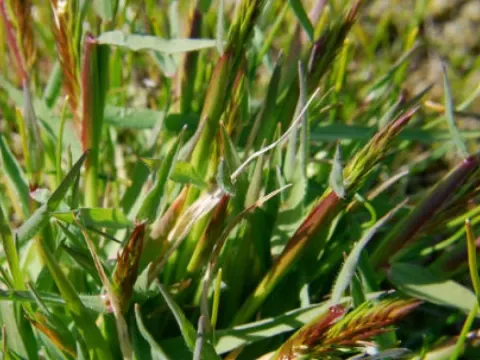
Sweet vernal grass
Anthoxanthum gracile
The sowing period for Anthoxanthum gracile typically begins in early spring, when the soil reaches a sufficient temperature for germination. Providing a stable seedbed is essential for achieving uniform emergence of seedlings across the entire field.
What the section contains
Sweet vernal grass
Seeding depth should be kept shallow, generally not exceeding 1-2 centimeters. This ensures that the small seeds have enough energy to reach the surface while remaining securely positioned within the moist soil layers.
Optimal spacing between rows is determined by the intended use, whether for grazing or for producing seed. For general forage cultivation, broadcasting or close-row drilling is preferred to maximize ground coverage and minimize weed intrusion.
Moisture availability during the initial germination phase is critical. If natural rainfall is insufficient, light irrigation may be necessary to support the establishment of the root system during the first few weeks after sowing.
Timing the sowing based on local climatic data helps in avoiding late frost events that could damage tender emerging shoots. Careful monitoring of the local weather forecast is a fundamental step in the management of this annual species.
Sweet vernal grass is a member of the Poaceae family that thrives in well-drained, sandy or rocky soils. It is highly adapted to environments where water retention is low, demonstrating notable drought tolerance compared to many other agricultural grasses.
The plant performs best in locations with high light intensity, as it is not tolerant of dense shade. Full sun exposure is essential for maintaining the vegetative vigor and the aromatic profile that characterizes this species.
Soil pH should ideally be neutral or slightly acidic. While the species is not highly demanding regarding fertility, applying balanced mineral fertilizers can promote thicker growth and improve the biomass yield in depleted soil conditions.
The plant requires moderate temperatures to sustain its development. It is sensitive to extreme waterlogging, which often leads to root rot; therefore, selecting slightly elevated sites with good internal drainage is a standard agronomic recommendation.
Management of soil aeration is another key factor in requirements. Periodic cultivation or light harrowing of the soil surface around the plants can significantly enhance the uptake of water and nutrients, especially in more compact soil types.
The primary use of Anthoxanthum gracile is as a valuable component of quality pasture mixtures. Its presence in the diet of livestock is appreciated due to the coumarin content, which gives the grass its characteristic sweet, vanilla-like fragrance.
The biomass yield is typically moderate. However, the nutritional quality remains competitive when the grass is managed correctly. Achieving high production requires strict adherence to the harvesting schedule before the plant transitions to the reproductive phase.
Grazing management is crucial for this crop. Overgrazing can reduce the vigor of the stand and prevent the plant from regenerating effectively, so rotational grazing practices are recommended to maintain long-term productivity.
Nutritional value is highest before the onset of flowering. As the seeds mature, the stem fiber content increases, and the palatability for livestock decreases, making it less suitable as a high-energy forage source in the later stages.
Integrating this crop into broader grassland management programs can help improve the overall diversity and nutritional profile of a pasture, providing a distinct advantage over single-species forage systems.
The crop is susceptible to common fungal pathogens such as rust and powdery mildew. These issues often arise during periods of high humidity or when there is insufficient airflow within the plant canopy due to over-seeding.
Common insect pests include grass aphids and various types of flies that feed on sap or stem tissue. Early detection is key, as significant infestations can stunt the growth of the grass and reduce its total biomass and nutritional quality.
To mitigate the risk of disease, it is recommended to maintain optimal planting densities. Avoid overcrowding the stand, which helps lower the humidity levels near the soil surface and creates a less favorable environment for pathogens.
Integrated Pest Management (IPM) strategies, including the use of biological controls or timely harvest of affected sections, are preferred over synthetic chemical applications to maintain the quality of the forage.
Monitoring for the presence of weeds is also essential. Weeds can serve as alternative hosts for diseases and compete for the limited nutrients and water, which could otherwise be utilized by the sweet vernal grass for growth.
Harvesting Anthoxanthum gracile requires precision timing to ensure the highest quality of the harvested material. The ideal window for cutting is during the late vegetative stage, before the development of mature seed heads.
The mowing height should be carefully calibrated to avoid damaging the base of the plant, which promotes faster regrowth. A stubble height of about 5 to 7 centimeters is often considered optimal for this species to recover quickly.
After cutting, the biomass should be dried or ensiled promptly. Proper moisture management during the drying process is essential to preserve the aromatic qualities and nutritional components that define the value of the grass.
If harvested for seed, the timing shifts to the full maturity of the inflorescence. Seed harvest requires specialized equipment to capture the small seeds effectively, often followed by drying and cleaning to ensure seed quality and longevity.
Effective harvest management directly influences the success of subsequent cuts or the duration of the grazing season. Systematic records of yield and harvest dates help optimize the management plan for future growing cycles.