
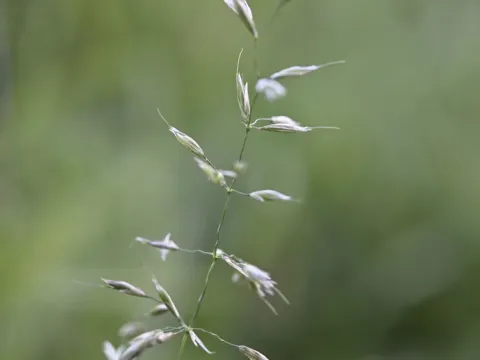
Tall oat-grass
Arrhenatherum
Tall oat-grass (Arrhenatherum elatius), belonging to the Poaceae family, is a highly valued perennial grass species widely used for meadow development and pasture establishment.
What the section contains


Tall oat-grass
The optimal time for sowing is early spring, which ensures that the seedlings establish themselves before the onset of summer heat and competition from weed species.
Successful sowing requires a finely prepared seedbed with adequate soil moisture, as the seeds are relatively small and need close contact with the soil to germinate.
Recommended seeding rates generally range from 18 to 25 kg per hectare, depending on the desired density of the sward and local climatic conditions at the sowing site.
Winter sowing is also feasible in certain regions, provided that the soil temperature is low enough to prevent premature germination before the winter freeze occurs.
This grass thrives in fertile, well-drained loam or sandy soils and is known for its remarkable ability to tolerate dry conditions compared to other common forage grasses.
It prefers neutral to slightly alkaline soil conditions; therefore, liming is often necessary when cultivating this species on acidic soil types to achieve maximum yields.
Tall oat-grass requires moderate nitrogen fertilization to maintain its vigor and high biomass production, especially when harvested multiple times during the growing season.
It possesses a deep, robust root system that helps the plant access nutrients and moisture in deeper soil layers, contributing to its resilience in challenging weather.
While the plant is hardy and adapts well to various environments, it does not tolerate waterlogged soils or excessive shading, which can significantly inhibit its growth.
Under favorable growing conditions and good management, tall oat-grass can provide high yields of dry matter, making it a reliable component of hay-making systems.
The crop is known for its rapid regrowth after cutting, allowing for two or three harvests per season if moisture and nutrient levels are effectively managed throughout the year.
When used in pasture, it provides high-quality forage that is highly palatable to livestock, particularly during the early stages of its vegetative growth cycle.
Proper nutrient management, including the balanced application of phosphorus and potassium alongside nitrogen, is essential to sustain high yields over many consecutive years.
As a perennial crop, its longevity is high, provided that it is not subjected to overly intense grazing or early harvesting that depletes root carbohydrate reserves.
Common diseases affecting this species include various rusts and smuts, which can reduce biomass quality and potentially affect the nutritional content of the harvested hay.
Powdery mildew can become a problem in dense stands with poor airflow, emphasizing the importance of proper stand density and adequate field management practices.
Insect pests, such as aphids and various cereal flies, can damage young plants and reduce overall stand vitality, requiring monitoring during the early stages of growth.
Root-feeding larvae can cause localized damage in fields, leading to patches of thinner growth, which may eventually allow weeds to encroach into the meadow area.
Integrated pest management strategies, such as crop rotation and timely mowing, help reduce the incidence of these threats and maintain a healthy productive sward.
Harvesting for high-quality hay should ideally begin during the early heading stage, as this is when the plant's nutritional value reaches its optimal peak for livestock.
Delayed harvesting leads to stems becoming overly lignified, significantly reducing digestibility and protein content, which decreases the overall value of the stored forage.
Seed harvesting should be timed carefully when the seeds reach maturity but before they begin to shatter, typically requiring a direct harvest with specific machine settings.
After mowing, the forage should be dried carefully to prevent mold growth and nutrient loss while retaining the color and aroma that indicate high-quality fodder.
Proper stubble height of at least 5-7 cm should be maintained after each harvest to ensure the plant has enough energy to regrow vigorously and persist through winter.