
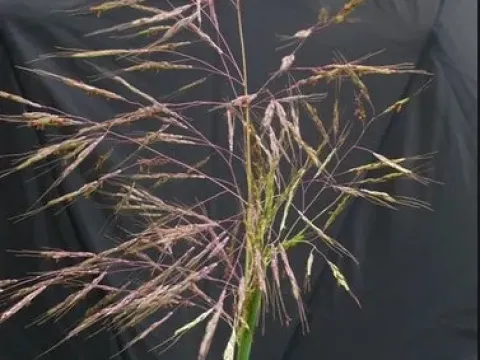
Swamp millet
Panicum paludosum
Swamp millet (Panicum paludosum) is a perennial grass belonging to the Poaceae family, specifically adapted to thrive in wetland environments and marshy habitats.
What the section contains
Swamp millet
The sowing period is typically determined by soil temperature, which needs to be warm enough to support germination and rapid initial growth of the seedlings.
Proper seedbed preparation is critical, ensuring the soil is sufficiently moist to facilitate the deep penetration of roots during the establishment phase.
Seeds should be sown at a uniform depth to encourage even emergence and to prevent the seedlings from being smothered by competing weeds.
Strategic planting density is essential to balance the plant's natural tendency to spread via tillering with the need for individual plant space and nutrition.
This species is highly specialized, requiring soils that are not only fertile but also capable of maintaining a high moisture content throughout the year.
Unlike conventional cereals, Panicum paludosum shows remarkable tolerance to waterlogged conditions, making it suitable for areas prone to flooding.
A warm climate is preferred, with active growth periods occurring when temperatures remain consistently between 20 and 30 degrees Celsius.
The plant has a significant demand for nitrogen, which promotes the development of its biomass and increases overall yields in favorable conditions.
While tolerant of wet conditions, the plant also requires good light exposure to facilitate efficient photosynthesis and robust reproductive development.
The yield potential of swamp millet is largely influenced by the availability of water and the nutrient status of the wetland soil.
It is increasingly valued as a forage source, as it can produce significant quantities of green biomass that remain palatable to livestock.
When managed properly, multiple harvests per year can be achieved, provided the environmental conditions support continuous regrowth of the stalks.
Grain yield can vary significantly based on the length of the growing season and the management practices employed during the reproductive stages.
Investing in appropriate soil management and fertilization can significantly boost the productivity of this crop in its specific niche.
The primary threats to swamp millet involve fungal infections such as rust and smut, which flourish in the humid microclimates characteristic of wetlands.
Pests such as stem borers and certain nematode species can cause severe damage to the root systems and stalks, weakening the plants.
Integrated pest management strategies are crucial to controlling these threats while preserving the delicate ecosystem of the wetland environment.
Crop rotation and the use of resistant varieties, where available, serve as effective preventative measures against disease outbreaks.
Early detection and monitoring are vital, as the rapid growth of fungal pathogens can lead to quick and irreversible damage to the standing crop.
Harvesting for grain requires precise timing to ensure the seeds have reached full maturity without shattering or falling to the ground.
For fodder purposes, harvesting should take place before the stems become overly lignified, ensuring high nutritional value for animal feed.
Modern harvesting machinery must be calibrated to handle the specific structure of this grass, minimizing mechanical losses during the process.
Post-harvest handling is essential, particularly drying, to reduce moisture content and prevent degradation of the harvested crop during storage.
Effective cleaning processes should be applied to remove debris and foreign material, ensuring the product meets quality standards for further use.