
Tall fescue
Lolium arundinaceum
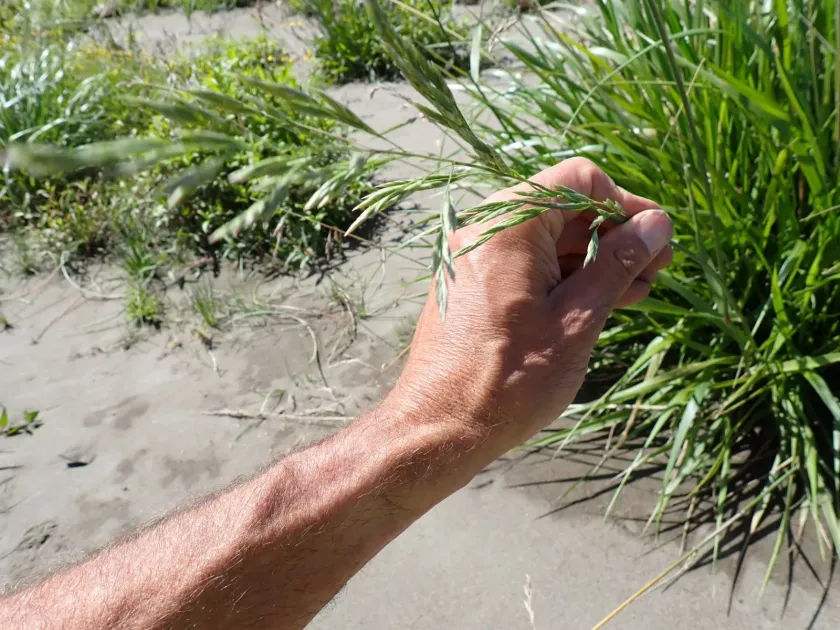
Description
Sowing dates
Tall fescue is typically sown in early spring or late summer, ensuring the soil temperature is sufficient to support rapid germination and root establishment.
The recommended seeding rate varies from 12 to 20 kg/ha depending on the target plant density and the specific use of the crop, whether for pasture or hay.
Precise seed placement at a depth of 1.5 to 2.5 cm is crucial, as seeds sown too deeply may fail to emerge, while shallow seeds are prone to drying out.
Incorporating a starter fertilizer during planting can significantly improve the establishment speed of the seedlings in nutrient-deficient soils.
Using a cultipacker after seeding helps to firm the soil around the seeds, ensuring good soil-to-seed contact and optimal moisture absorption.
Growing requirements
Tall fescue (Lolium arundinaceum) is a highly resilient perennial grass known for its extensive, deep-reaching root system that can extend over a meter deep.
It thrives in a wide range of soil conditions, showing remarkable tolerance to heavy clay, acidic environments, and even areas prone to occasional flooding.
The species is highly valued for its drought tolerance, as it can remain productive during dry spells that would cause other forage grasses to enter dormancy.
Optimal growth requires moderate nitrogen fertilization, which helps the grass maintain high biomass production and vigorous tillering throughout the growing season.
This grass is well-adapted to varied climates, demonstrating excellent winter hardiness and the ability to withstand cold temperatures while maintaining its perennial nature.
Yield
Tall fescue is recognized for its high yield potential, often producing several tons of dry matter per hectare annually under well-managed irrigation and fertilization programs.
It provides multiple cuts per season, with forage quality remaining relatively stable if the grass is harvested before the seed heads fully mature.
When managed as a seed crop, fescue requires careful monitoring during the pollination and seed-fill stages to prevent premature loss from shattering.
The longevity of a tall fescue stand is impressive, often remaining highly productive for 5 to 10 years if grazed or cut at the appropriate growth stages.
To maximize yields, it is essential to balance soil pH and provide essential macro-nutrients, which supports the density and health of the sward.
Main diseases and pests
Common diseases affecting tall fescue include leaf rust and various leaf spot pathogens, which are more prevalent in humid or poorly ventilated conditions.
Fungal issues such as stem rot can appear if the stand is left to lodge or if harvesting is delayed during extended periods of rainfall.
Pests like armyworms and grass aphids can cause significant damage to young tillers, potentially reducing the overall stand density if not controlled.
Integrated pest management, including regular field scouting and the use of resistant varieties, is the most effective approach to mitigating these threats.
Maintaining a clean field environment by removing harvest debris can help reduce the overwintering of pathogens and keep the stand healthier in subsequent years.
Harvesting
Harvesting for forage should occur at the late boot stage to balance total biomass quantity with the nutritional quality required for healthy livestock.
Proper wilting and drying processes are critical when making hay, as the high density of the stems requires sufficient time to reach safe moisture levels for storage.
When used for silage, precise chopping and firm compaction are necessary to exclude oxygen and promote the desired fermentation process for long-term preservation.
Seed harvesting should be timed when the seeds become firm and the panicles change color, using swathing techniques to minimize losses from field shattering.
Post-harvest management often involves light fertilization to encourage rapid regrowth, ensuring the plant has enough energy reserves to survive the coming winter.