


Reference · Crops
Tall oat-grass
Arrhenatherum P. Beauv.
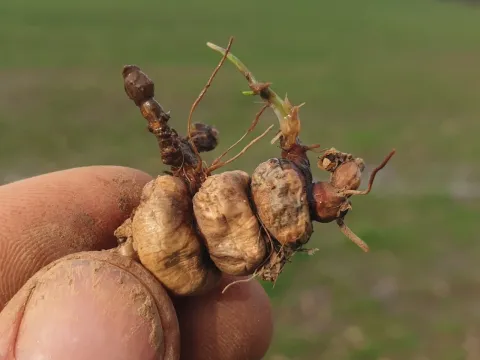
Tall oat-grass (Arrhenatherum elatius) is a perennial grass species belonging to the Poaceae family. It is widely recognized in agriculture for its ability to produce high biomass, making it an excellent candidate for meadows and pastures.
1
items
What the section contains
Marketplace
Products in this section · 12


AGROTEX, RK (2-methyl-4-chlorophenoxyacetic acid in the form of dimethyl
Nufarm
Herbicides
0
0
No offers
—
Details
Tall oat-grass
The sowing period is typically early spring when the soil is warm and moist. Successful establishment requires a firm and clean seedbed, ensuring that seeds are planted at a depth of 1–2 cm for optimal germination.
The standard seeding rate ranges from 15 to 20 kg per hectare. This density is sufficient to create a robust stand that can compete with weeds and adapt to various environmental conditions over time.
As a fast-growing species, it exhibits strong tillering capabilities after each harvest. This regenerative characteristic allows the grass to quickly recover and fill empty patches within the grassland area.
Due to its deep root system, the plant establishes itself firmly in the ground, preventing soil erosion and providing structural stability to the pastureland during the growth cycle.
Tall oat-grass thrives best on fertile, well-drained loamy soils. While it is adaptable to various soil types, it performs poorly in waterlogged or overly acidic environments, which can stunt its growth.
This grass is notably drought-resistant, allowing it to maintain growth during dry summer months when other forage grasses might wilt. Its deep roots enable it to access deeper soil moisture reservoirs.
Nutrient requirements are moderate to high, particularly regarding nitrogen, which is essential for biomass production. Regular application of phosphorus and potassium fertilizers promotes root vigor and winter hardiness.
The species is highly winter-hardy and well-suited for regions with significant seasonal temperature fluctuations. It remains dormant during the winter and initiates rapid growth as soon as spring temperatures arrive.
The ideal soil pH for this culture is between 6.0 and 7.5. On soils with lower pH values, liming is recommended to improve nutrient availability and support long-term crop performance.
The yield of green matter for tall oat-grass is substantial, often ranging from 20 to 40 tonnes per hectare per season. Depending on management, the crop supports multiple cuts per year.
Seed production yields are typically around 0.5 to 0.8 tonnes per hectare. Harvesting seeds requires careful timing to ensure high viability and prevent shattering before the grain is collected.
The grass is primarily used for high-quality hay production, which is well-liked by livestock due to its digestibility when harvested at the right stage. It is also suitable for silage and direct grazing.
Nutritional value peaks during the early heading stage. Delaying harvest until the plant fully matures leads to lignification of the stems, reducing the overall feed quality and protein content.
Peak productivity is maintained for three to four years. After this period, strategic fertilization and proper grazing management are necessary to sustain the density and health of the grass stand.
Leaf rust is one of the most common diseases, especially during periods of high humidity and heat. Good field sanitation and timely harvesting help reduce the pressure of fungal infections.
Powdery mildew may occur in dense stands with poor airflow. Maintaining optimal plant density and avoiding excessive nitrogen fertilization are effective strategies to prevent the spread of the fungus.
Common pests such as stem flies and aphids can weaken the plants by feeding on sap and developing shoots. If infestation reaches economic thresholds, applying specific insecticides may be necessary.
Nematodes can sometimes target the root system, leading to decreased vigor. Using certified, disease-free seed and practicing proper crop rotation helps minimize the risk of soil-borne pests.
Integrated pest management remains the best practice. By monitoring the field regularly, farmers can identify threats early and implement corrective measures without relying heavily on chemicals.
Harvesting for hay is recommended at the beginning of the heading phase. This is the stage where the grass offers the best balance of dry matter, energy, and protein for livestock consumption.
Seed harvesting should occur when the panicles turn a light straw color. Using direct harvesting techniques followed by immediate mechanical drying is crucial to keep the seeds from heating up.
The drying process in the field should be managed with tedders to ensure even moisture loss. Proper hay conditioning speeds up the drying cycle and preserves the natural color and aroma of the grass.
Storage should be conducted in clean, dry environments to prevent mold growth and maintain fodder quality. Monitoring moisture levels in bales is essential for long-term safe storage.
After the final cut, the remaining stubble provides winter cover for the root system, and allowing regrowth before winter helps the plant store energy for the following season.