
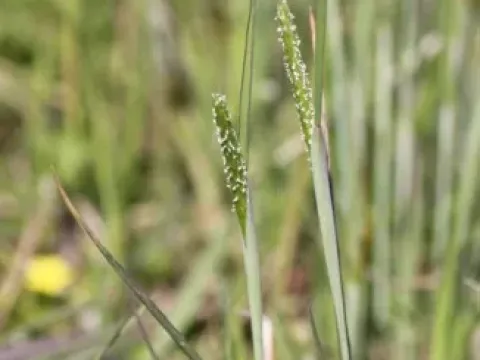
Japanese foxtail
Alopecurus japonicus
Japanese foxtail (Alopecurus japonicus) is a valuable grass species belonging to the Poaceae family, primarily cultivated for high-quality livestock forage.
What the section contains
Japanese foxtail
The optimal sowing time for this crop is during the autumn months, allowing the seeds to undergo natural vernalization, which is crucial for uniform germination.
Seeds should be sown at a shallow depth of approximately 1.5 to 2 centimeters to ensure they do not exhaust their energy reserves before reaching the surface.
A standard seeding rate is typically between 10 and 15 kilograms per hectare, depending on the purity and germination capacity of the chosen seed lot.
Post-sowing soil compaction using rollers is highly recommended to improve soil-to-seed contact, thereby significantly increasing the rate of successful establishment.
This crop thrives in moist environments and is particularly well-suited for low-lying areas or fields that experience seasonal waterlogging.
The preferred soil type for Japanese foxtail is nutrient-rich, with a neutral to slightly acidic pH, supporting robust vegetative development throughout the season.
Although the plant is quite hardy, it requires adequate solar exposure during the early stages of growth to develop a strong root system and dense tillering.
Consistent moisture is the primary factor limiting the potential yield; therefore, irrigation systems should be utilized in regions prone to summer droughts.
Fertilizer application, particularly nitrogen, should be managed carefully to boost biomass production without causing excessive lodging of the grass stems.
Under optimal management practices, Japanese foxtail can yield between 20 and 30 tonnes of green biomass per hectare per growing season.
The total yield is largely determined by the number of cuts performed and the timing of each harvest relative to the plant's physiological development.
Nutritionally, the grass provides a balanced source of protein and essential fibers, making it an excellent component of high-quality hay blends.
Maintaining high yields over multiple years requires periodic field management, including the removal of dead plant material and soil aeration.
Seed production requires careful monitoring of the maturity stage to prevent premature shattering of the grains, which can lead to significant harvest losses.
The primary diseases affecting Japanese foxtail are rusts and powdery mildew, which thrive in conditions of high relative humidity and poor air circulation.
Pests such as cereal aphids and various fly larvae can cause significant damage to young shoots, potentially reducing the overall plant population density.
Integrated pest management, including the use of selective fungicides and insecticides, is necessary when infestation thresholds are exceeded in the field.
Crop rotation remains the most effective strategy to disrupt the life cycles of soil-borne pathogens that target species within the Poaceae family.
Proactive field scouting is essential to detect early symptoms of stress, allowing for timely intervention before the infection or pest damage spreads.
Harvesting for hay should be timed when the crop is in the boot stage or early flowering to ensure the highest concentration of nutrients in the grass.
Rapid drying of the cut grass is essential to maintain its color and palatability, preventing the growth of molds and the loss of essential vitamins.
Equipment height should be calibrated to leave a stubble of at least 6-8 centimeters to ensure the crop can quickly recover and produce secondary growth.
For seed harvesting, a two-stage process is often preferred, involving swathing followed by threshing to minimize the mechanical damage to the seeds.
Storage facilities must be dry and well-ventilated to maintain the quality of the harvested biomass or seed, preventing spoilage over long-term storage.