
Java Citronella
Cymbopogon winterianus
Description
Sowing dates
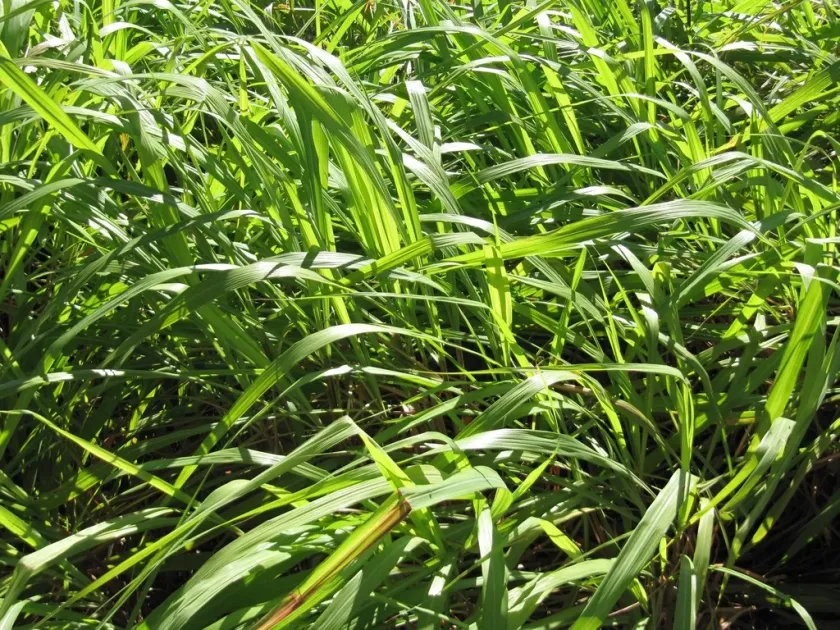
Java Citronella (Cymbopogon winterianus) is a perennial aromatic grass belonging to the Poaceae family. In agricultural practice, it is primarily propagated vegetatively through the division of established clumps to ensure genetic consistency.
The planting season typically aligns with the onset of the rainy season, allowing the plants to establish a robust root system before the drier months. Proper soil preparation involves deep plowing and clearing all competitive weeds.
Planting density is crucial for optimizing the yield of green biomass. Generally, a spacing that allows for 20,000 to 30,000 plants per hectare is recommended to maximize the land potential.
Healthy, vigorous shoots with well-developed roots are selected for planting. This practice ensures a strong start for the plantation, which can remain productive for several years if managed correctly.
As a perennial crop, once established, the plants quickly cover the soil, reducing the need for intensive weeding. Maintaining plant vigor through systematic replanting after 5–7 years is common practice.
Growing requirements
Java Citronella is a tropical crop that thrives in temperatures between 20°C and 30°C. It is highly sensitive to frost, which causes severe damage to the leaf tissue and can lead to plant mortality.
Abundant sunlight is necessary for the biochemical synthesis of essential oils. Areas with high solar radiation and consistent moisture are ideal for achieving high-quality oil production.
The crop prefers well-drained, fertile soils with a pH ranging from 5.5 to 6.5. Waterlogging must be avoided, as it promotes root rot and reduces the overall vitality of the grass.
Regular irrigation is essential in regions where rainfall is seasonal or insufficient. Maintaining consistent soil moisture levels during the peak growth stages significantly boosts biomass production.
Nutrient management involves applying nitrogen and potassium fertilizers after each harvest. These nutrients are critical for supporting the rapid regrowth of the leaves and maintaining high oil concentrations.
Yield
Java Citronella is highly productive, with annual green biomass yields ranging from 15 to 25 metric tons per hectare under favorable conditions. This high output makes it a valuable commercial crop.
The leaves contain a significant amount of essential oil, typically between 0.5% and 1.2% by weight. This oil is rich in citronellal, geraniol, and citronellol, which are highly prized in industry.
The first harvest is generally possible 6 to 8 months after planting. Subsequent harvests occur every 3 to 4 months, depending on the climatic conditions and the speed of regrowth.
A well-managed hectare can produce between 100 and 200 kilograms of high-quality citronella oil annually. This makes it a sustainable income source for farmers in tropical regions.
Efficiency in harvesting and immediate processing are vital to achieving these yields. The quality of the oil is dependent on the freshness of the leaves at the time of distillation.
Main diseases and pests
Nematodes are the primary soil-borne threat to Java Citronella plantations. They can severely damage the root system, leading to stunted growth and yellowing of the foliage.
Various leaf-eating insects and aphids can cause localized damage to the plantation. Integrated pest management, including natural predators and selective, crop-safe insecticides, is recommended.
Fungal pathogens such as rust and leaf spot occur in environments with high humidity and poor air circulation. Proper spacing and drainage are effective preventive measures.
Maintaining field hygiene by removing crop debris helps mitigate the risk of disease spread. Early detection and targeted removal of infected plants are essential for maintaining plantation health.
The use of certified healthy planting material is the most effective way to prevent the introduction of pathogens and pests into new fields.
Harvesting
Harvesting is performed by cutting the grass at a height of approximately 10–15 cm above the ground. This ensures that the base of the plant remains intact for quick regeneration.
Harvesting should be done during dry, cool morning hours to maximize the essential oil content. Wet or rain-soaked leaves should be avoided to prevent quality degradation during distillation.
After cutting, the biomass must be transported quickly to the distillation facility. Prolonged storage leads to evaporation of volatile compounds and fermentation, which lowers oil quality.
Modern steam distillation units are used to extract the oil from the fresh leaves. This process is time-sensitive, as the oil content drops rapidly after the leaves are cut from the base.
Proper post-harvest management, including field cleanup, ensures that the next cycle of growth starts without the interference of decaying matter or harborages for potential pests.