
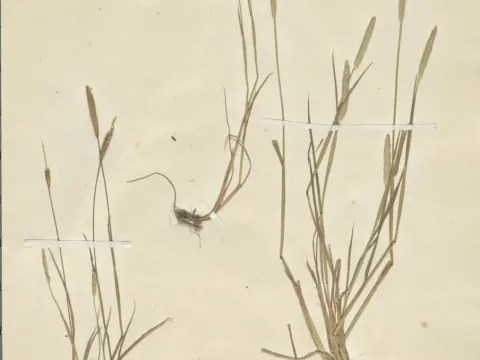
Cretan foxtail
Alopecurus creticus
Cretan foxtail (Alopecurus creticus) belongs to the Poaceae family. In agricultural practices, sowing is typically scheduled for early spring when the soil is saturated with moisture, which is essential for the rapid germination of these small seeds.
What the section contains
Cretan foxtail
Winter sowing is also possible in late autumn, allowing the seeds to undergo natural stratification and emerge uniformly with the first warm days. When selecting a field, avoid heavy, poorly draining soils that may cause waterlogging.
The sowing depth must be minimal, as the seeds of this species have limited nutrient reserves. A depth of 0.5 to 1.5 centimeters is considered optimal, followed by firming the soil to ensure proper contact between the seed and the earth.
The seeding rate depends on material purity and cultivation goals, usually ranging from 8 to 12 kilograms per hectare in pure stands. In mixtures, the rate is reduced proportionally to prevent competition with legume components.
To improve establishment, prepare the plot by leveling the surface and controlling perennial weeds, which can suppress the seedlings during the critical early stages of their life cycle.
This crop is highly hygrophilous and demanding regarding soil moisture profiles. Cretan foxtail thrives in river floodplains and areas with high water tables, where other grass species might fail to establish.
Optimal soils for this crop are fertile loams or well-managed peatlands with neutral to slightly acidic pH levels. The plant can tolerate short periods of flooding, making it a valuable component for low-lying meadows.
Cretan foxtail has moderate temperature requirements, favoring the cool and humid climate typical of the Mediterranean and surrounding zones. Extreme summer heat and drought significantly reduce its vegetative activity and biomass yield.
The crop responds positively to nitrogen fertilization, especially during the active tillering phase. Nitrogen promotes intensive development of the leaf apparatus and enhances the nutritional value of the hay at the time of harvesting.
Despite its preference for moisture, stagnant water combined with low temperatures can negatively affect the root system. The site must have a minimal slope to ensure sufficient drainage during periods of heavy rainfall.
The economic value of Cretan foxtail lies in the production of high-quality early hay, as this species begins vegetation earlier than many other grasses. Yields of green biomass can reach 15–25 tonnes per hectare under favorable management.
The nutritional value of the plant is high during the pre-heading phase, as it contains maximum levels of protein and soluble sugars. Cretan foxtail is highly palatable to all types of livestock during the grazing season.
When managed for hay, the crop provides excellent regrowth; however, frequent cutting may decrease productivity unless supplemental fertilization is applied. It is essential to balance harvest intensity with recovery time.
Seed productivity depends heavily on weather conditions during flowering. In favorable years, farmers can harvest between 300 and 500 kilograms of seeds per hectare if fields are kept weed-free and harvested at the right time.
To maintain meadow longevity, periodic rejuvenation of the stands is necessary, and overgrazing should be avoided, as it can severely damage the plant's growth point and overall stand vigor.
The main pests of Cretan foxtail include cereal flies and aphids, which damage reproductive organs and reduce seed yield. If pest populations become massive, the application of registered insecticides is recommended during early growth stages.
Grass diseases such as rust and various smuts can affect the crop under conditions of high humidity and density. Timely mowing helps prevent the mass spread of fungal spores to adjacent areas of the field.
Weeds pose a serious threat to young stands, as Cretan foxtail develops slowly during the germination phase. Agronomic control includes early harrowing and the implementation of a proper crop rotation system.
Stand thinning often occurs due to improper management practices, such as mowing too low during adverse periods. Conserving nutrient reserves in the rhizome is key to ensuring the crop's long-term sustainability.
- Cereal flies
- Leaf rust
- Loose smut
- Root rots
- Defoliating insects
Hay harvesting is carried out during the heading phase, as nutritional value drops significantly after flowering begins, and stems become coarse. It is crucial to choose a period with minimal air humidity to speed up the drying process.
For seed production, harvesting begins when the tips of the inflorescences show a characteristic color change and the seeds reach the dough stage. Delaying harvest leads to significant losses due to shattering in windy conditions.
Harvesting technology involves either direct combining or mowing into swaths for subsequent threshing. The use of swaths is preferred if the field has weed pressure or uneven ripening patterns.
Post-harvest seed processing includes immediate cleaning and drying to a moisture content of 12–14 percent to prevent spoilage. Seeds should be stored in dry, well-ventilated facilities to maintain viability.
Crop residues remaining after seed harvest should be shredded and incorporated into the soil as organic fertilizer, which helps restore soil fertility and improves the structure of the topsoil layer.