
Crimean melic
Melica taurica
Description
Sowing dates
Sowing Crimean Melic is best performed during the spring months once the soil temperature has reached a consistent level above 10 degrees Celsius. For outdoor cultivation, stratification is highly recommended to improve the germination rate of the seeds, which can be done naturally through autumn sowing.
The seeds should be sown at a shallow depth of approximately 1 to 2 centimeters to ensure they receive sufficient light and air, which are crucial for the development of small-seeded grass species. A well-prepared, fine-textured seedbed is essential for successful establishment.
After seeding, it is advised to lightly press the soil to ensure optimal contact between the seeds and the substrate, which prevents them from drying out during the crucial early germination phase. Consistent but moderate moisture levels should be maintained until the seedlings are firmly rooted.
Row spacing should typically be set between 30 and 45 centimeters to provide enough space for individual plants to develop their characteristic dense tufts. This spacing also simplifies maintenance, allowing for efficient weeding during the early stages of growth when competition from weeds can be significant.
Once established, Crimean Melic requires minimal intervention and will naturally suppress surrounding weeds due to its dense root and foliage system. Proper site preparation before sowing is the most important factor in ensuring the long-term success of the plantation.
Growing requirements
Crimean Melic (Melica taurica) is a perennial grass belonging to the Poaceae family, natively adapted to rocky and dry environments. It thrives in full sunlight, which is necessary to maintain the plant's structural integrity and decorative appeal during its growing season.
The plant is highly adaptable to various soil types but demonstrates superior performance in well-drained, lime-rich, or sandy soils. It is particularly sensitive to waterlogged conditions, which can lead to root rot; therefore, good drainage is a critical requirement for successful cultivation.
Climatically, the species is remarkably hardy and can withstand significant winter temperatures without the need for protective measures. Its drought tolerance is a hallmark characteristic, making it an excellent candidate for regions with limited rainfall or areas where water conservation is prioritized.
The ideal soil pH for this grass ranges from 6.5 to 8.0, reflecting its origin in calcareous mountainous regions. While it can tolerate low-nutrient soils, an occasional light application of balanced fertilizer during the early spring can boost foliage production and overall vigor.
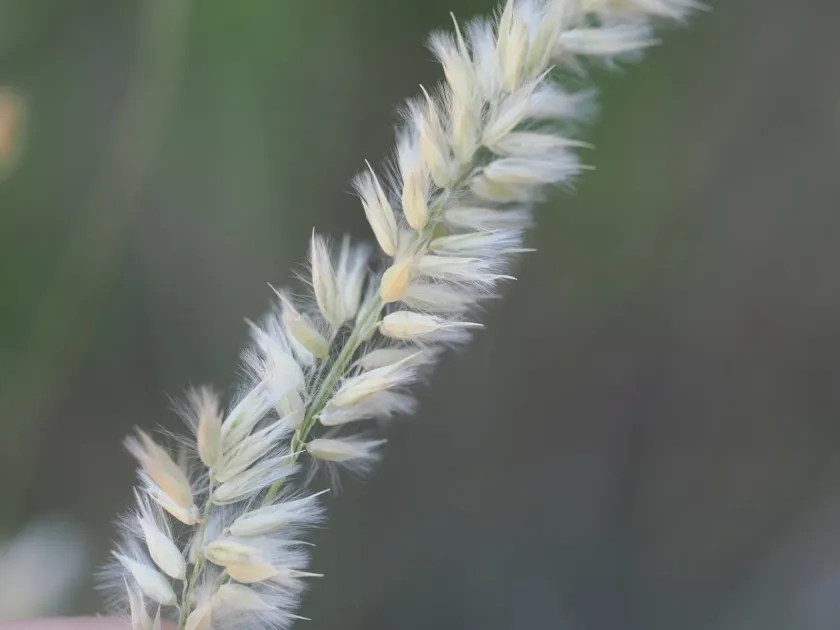
Botanically, Melica taurica forms dense, upright clumps of narrow leaves, typically reaching 30 to 60 centimeters in height. Its aesthetic value is highlighted by loose, elegant panicles that emerge in late spring, providing a distinct ornamental texture to the landscape.
Yield
The primary use of Crimean Melic is within the ornamental horticulture and landscape design sectors rather than as a traditional agricultural forage crop. It is highly valued by designers for its architectural form, drought resistance, and low maintenance requirements in public and private green spaces.
Seed production in specialized nurseries can yield up to 2-3 centners per hectare, depending on crop density and environmental factors. Harvesting must be timed precisely as the seeds mature to minimize losses due to natural dispersal common in wild grass species.
The economic value of this crop is tied to the demand for sustainable, water-wise landscaping solutions. Because the plant is a perennial, once established, it provides a long-term return on investment without the need for annual replanting or intensive fertilization schedules.
Vegetative propagation via clump division is also a viable method for producing high-quality nursery stock. This method is often preferred for rapid landscape establishment, as divisions are more robust and establish themselves more quickly than plants started from seed.
Beyond traditional landscaping, this species plays a role in ecological restoration projects, specifically in stabilizing slopes and preventing erosion in arid or semi-arid climates. Its ability to thrive in poor soils makes it an asset for degraded land reclamation efforts.
Main diseases and pests
Crimean Melic is generally robust and resistant to many common grass diseases, but it can be susceptible to fungal issues if grown in humid, poorly ventilated conditions. Root rot and leaf spots are the most common problems arising from excessive water retention.
Pest pressure is typically low for this species, though aphids or mites may occur during periods of extreme heat or environmental stress. Regular monitoring of the foliage helps to identify any potential outbreaks before they affect the overall health of the plant.
Good agricultural practices, such as maintaining adequate space between plants to allow for airflow, are the best defense against pathogens. Avoiding overhead irrigation during the evening also helps keep the foliage dry and prevents fungal growth.
Weed management remains the most important preventative measure for maintaining healthy stands, as competitive weeds can create a humid microclimate that favors disease development. Ensuring that the site remains free of aggressive invasive weeds is vital for long-term health.
If chemical intervention becomes necessary due to severe infestation, it is critical to use targeted, environmentally friendly products. However, in most well-managed settings, the natural resilience of Melica taurica is sufficient to maintain its health and aesthetic value without pesticides.