


Reference · Crops
Crested dog's-tail
Cynosurus
Crested dog's-tail is typically sown in early spring when the soil is workable, allowing for optimal germination using the residual winter moisture. Autumn sowing is also an option in regions with mild winters, ensuring the seeds are established before the onset of the next growing season.
2
items
What the section contains
Marketplace
Products in this section · 2

Crested dog's-tail
The seeds are small, requiring a shallow sowing depth of 1 to 2 centimeters. Using a seed drill followed by light rolling is highly recommended to ensure the seeds have sufficient contact with the soil to improve emergence rates.
A typical seeding rate is between 10 to 12 kilograms per hectare in monoculture. In forage mixtures, this rate should be adjusted based on the species composition, as the grass establishes a dense root system over time.
Proper seedbed preparation is vital, focusing on creating a fine, firm tilth that prevents the seeds from sinking too deep. A well-prepared seedbed will significantly improve the uniformity of the stand, reducing the risk of gaps in the field.
Initial growth is relatively slow, making weed control in the first few weeks after emergence particularly important. Farmers should monitor the field closely to ensure that faster-growing weeds do not outcompete the young grass seedlings.
Crested dog's-tail belongs to the Poaceae family and is a long-lived perennial grass known for its robustness and adaptability. It thrives in temperate climates, demonstrating excellent cold tolerance, which makes it suitable for pastures in northern regions.
The grass prefers fertile loam or sandy-loam soils with reliable moisture levels. While it is moderately drought-tolerant compared to other forage species, its productivity is significantly higher in soils that do not suffer from prolonged water stress.
Light availability is crucial for development, as the species does not perform well under heavy shading. Open pasture conditions are ideal, supporting the plant's ability to produce dense, nutritious tillers throughout the season.
Fertilizer management, particularly the application of nitrogen in early spring, promotes vigorous vegetative growth. However, over-application should be avoided to prevent lodging and to maintain a healthy balance within the ecosystem of the pasture.
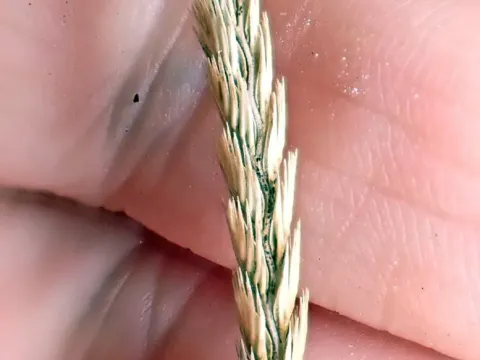
Botanically, it is characterized by its distinct, comb-like panicles that remain upright and sturdy. This structural integrity makes it a resilient component of forage mixtures, capable of withstanding trampling by livestock and mechanical harvesting.
While not the highest yielding species in terms of total biomass, Crested dog's-tail is highly valued for its consistent quality. It produces a dense turf that provides reliable forage throughout the late spring and summer months.
The plant has excellent regrowth capabilities, making it ideal for rotational grazing systems. It recovers quickly after being grazed or cut, ensuring that the pasture remains productive for extended periods during the year.
Optimal yields are achieved when the grass is maintained in a well-managed grazing cycle, typically reaching its peak density after the second or third year of establishment. It persists well in mixtures with clovers, which further enhances the nutritional quality of the forage.
The nutritional profile remains stable, with good protein levels that persist even as the season advances. Livestock find the grass palatable, contributing to improved growth rates and overall health of the herd.
In terms of economic value, its long-term persistence in pastures reduces the need for frequent reseeding, providing a cost-effective solution for permanent grassland management. Its durability makes it a staple for sustainable livestock farms.
Crested dog's-tail is generally resistant to many common grass diseases, but it may be susceptible to rust in exceptionally humid conditions. Proper stand management and ensuring adequate airflow are key to minimizing disease pressure.
Insect pests, such as cereal flies or aphids, may occasionally attack during the seedling stage. Regular field scouting is the best practice for detecting these issues early and preventing them from becoming a significant threat to the crop.
Preventative strategies include using high-quality, treated seed and ensuring optimal soil nutrition to keep the grass vigorous. Healthy plants are inherently more resistant to environmental and biological stressors.
If economic damage thresholds are exceeded, the use of approved insecticides might be necessary. It is essential to strictly follow guidelines regarding the interval between pesticide application and the start of grazing or harvesting.
Maintaining a balanced ecosystem within the pasture helps to encourage natural predators, which can act as a biological control for minor pest outbreaks. Diversifying the forage mixture also helps in breaking the lifecycle of species-specific pathogens.
Hay harvesting should ideally occur at the heading stage to capture the best balance between biomass volume and nutrient concentration. Delaying the harvest results in higher fiber content and lower digestibility for livestock.
Effective drying is necessary to preserve the forage's green color and vitamin content. Using tedders to spread and turn the grass accelerates the drying process, reducing the risk of rain damage to the harvested hay.
In grazing scenarios, rotational management is essential to ensure that livestock do not overgraze specific areas. This practice allows the grass root systems to replenish energy stores, supporting longevity and future yield.
Seed harvesting requires attention to detail, as mature seeds can shatter easily. Harvesting during the wax-ripeness phase and adjusting equipment speeds are critical steps to maximize seed recovery and minimize mechanical damage.
Stored seeds must be cleaned and dried to a moisture content of approximately 12–14% to maintain high germination potential. Storage in cool, dry conditions is necessary to ensure the seeds remain viable for future planting seasons.