
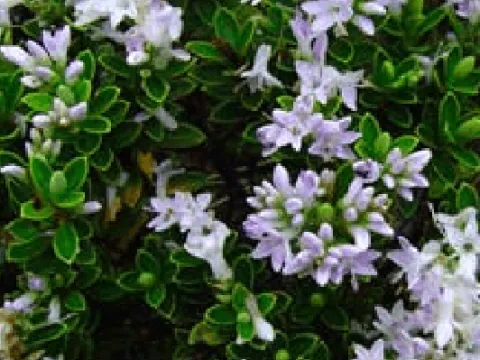
Veronica venustula
Veronica venustula
Sowing of Veronica venustula is best performed in the spring once the risk of frost has passed. Direct sowing into prepared garden beds allows the plants to establish themselves throughout the growing season.
What the section contains
Veronica venustula
For container gardening, start the seeds indoors in late winter. This ensures that seedlings are robust enough for transplantation by the time the outdoor soil temperature is consistently warm.
Seeds should be sown lightly on the surface of the soil, as they require light to germinate effectively. Covering them with a thin layer of fine vermiculite helps maintain humidity without hindering the sprouts.
Optimal germination requires consistent moisture and a stable temperature. Use a light misting bottle to keep the substrate damp during the first few weeks after sowing to ensure high success rates.
Thinning the seedlings is essential for proper spacing, which should be approximately 30 centimeters apart to allow for mature growth and optimal air circulation between the plants.
Veronica venustula is a member of the Plantaginaceae family, prized for its elegant growth habit and attractive floral displays. It typically thrives in regions with temperate climates and moderate rainfall.
This plant prefers locations with full sun exposure to maintain its compact form and vibrant flowering. While it can handle light shade, insufficient sunlight often leads to leggy stems and fewer blooms.
Well-draining soil is a critical requirement for this species. It performs best in loam or sandy soil enriched with organic matter, which provides the necessary nutrients while preventing moisture accumulation.
Adequate irrigation is needed during the early stages of development and throughout the peak blooming season. Avoid overhead watering when possible to keep the foliage dry and reduce the risk of diseases.
Seasonal maintenance includes deadheading faded flowers, which encourages a second flush of blooms and prevents the plant from wasting energy on seed production instead of vegetative growth.
Powdery mildew is the most common fungal issue affecting the foliage of this species. It appears as a white, dusty layer and is most prevalent during periods of high humidity and poor ventilation.
Aphids can be a significant pest, targeting tender new growth and flower buds. These insects can be easily managed through regular scouting and the application of neem oil or insecticidal soap.
Root rot, caused by saturated soil, is a lethal threat to the plant. Improving soil drainage and ensuring that plants are not overcrowded are the primary defenses against this soil-borne pathogen.
Leaf spots caused by bacterial or fungal infections can occur if the garden hygiene is poor. Always remove and destroy diseased plant debris immediately to prevent the spread of spores.
Maintaining a balanced fertilization schedule helps the plant remain resilient against pest and disease attacks throughout its life cycle in the garden landscape.