
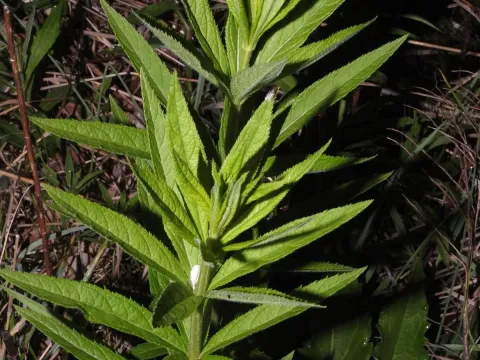
Veronicastrum
Veronicastrum
Propagation of Veronicastrum is mainly carried out by vegetative methods or seed sowing. Sowing in open ground is performed before winter or in early spring after stratification.
What the section contains


Veronicastrum
For seed propagation, seeds are sown in seedling boxes in March-April, providing a cool period for germination. Seedlings appear at temperatures of around 15-18 degrees Celsius.
Vegetative division of the bush is performed in spring or autumn when the plant is dormant. This allows for the preservation of varietal characteristics and speeds up the development of a full specimen.
Cuttings are made in early summer using young shoots that root in a light, nutrient-rich substrate under film. This method is preferred for commercial plant nurseries.
Choosing the right time for planting in a permanent location is critical, as the crop has a powerful root system and requires an adaptation period before extreme weather events.
Veronicastrum is a herbaceous perennial of the Plantaginaceae family, characterized by high winter hardiness and the ability to grow in one location for up to 10 years.
The crop prefers open sunny areas but can tolerate partial shade in hot climates. The plant requires regular soil moisture to maintain its decorative qualities.
Soils should be fertile, moisture-retentive, and have a neutral or slightly acidic pH. In poor sandy soils, the plant requires significant organic fertilizer application.
Agrotechnics include mandatory mulching of the root zone, which helps maintain a stable water regime and suppresses weed growth during the summer months.
The plant responds well to fertilization with complex mineral fertilizers during the active growth phase and after flowering to ensure bud formation for the following year.
Veronicastrum has strong natural immunity; however, excessive soil waterlogging can lead to the development of fungal infections of the root system and root rot.
In prolonged rainy weather, powdery mildew may appear on the leaves, requiring timely application of systemic fungicides to save the decorative appearance of the plant.
Pests such as aphids and spider mites can attack young shoots during severe droughts, which necessitates preventive spraying with insecticides early in the season.
To prevent the spread of pathogens, it is necessary to maintain proper planting spacing to ensure good aeration between individual plants.
- Crop rotation compliance when grown in large-scale areas.
- Regular sanitary removal of old and damaged leaves.
- Ensuring optimal drainage on sites prone to water stagnation.