
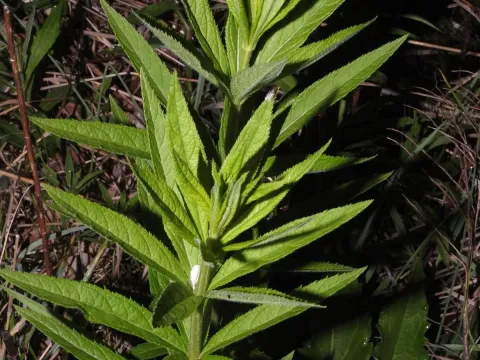
Veronicastrum
Veronicastrum Heist. ex Fabr.
Veronicastrum seeds should be sown in autumn for winter stratification or in early spring after cold treatment. Seeds are tiny and require light to germinate, so they should be surface-sown on a moist substrate.
What the section contains

Veronicastrum
When starting indoors, use a well-draining seed mix and keep the containers at a consistent temperature of around 20 degrees Celsius. The germination process may take several weeks, so patience is required.
Transplant seedlings into larger pots once they have developed a few sets of true leaves. This ensures the root system is sufficiently developed before the plant is moved to the permanent garden site.
In the garden, space plants at least 50–60 centimeters apart to provide enough air circulation. Proper spacing is crucial to prevent fungal issues as the plants mature and reach their full size.
Division of established clumps is the most common vegetative propagation method. This is best done in early spring or autumn to ensure quick establishment in the new location.
Veronicastrum is a hardy herbaceous perennial belonging to the Plantaginaceae family. It is valued for its elegant, spire-like inflorescences that can reach heights of up to two meters depending on the cultivar.
The plant thrives in full sun or light shade, provided it receives sufficient moisture. It prefers deep, fertile, and slightly moist soil conditions that do not dry out completely during the summer season.
Irrigation is critical during the initial establishment year and throughout periods of summer heat. A layer of organic mulch helps retain soil moisture and suppresses weeds effectively around the base of the plant.
Fertilization with a balanced slow-release fertilizer in early spring supports healthy vegetative growth. Avoiding excessive nitrogen is recommended to keep the stems sturdy and prevent them from lodging.
Maintenance is low; simply cut back the old stems to the ground in late autumn or early winter. The plant is winter-hardy and typically survives low temperatures without requiring winter protection in temperate zones.
Veronicastrum is relatively pest and disease-free. It is rarely bothered by deer or rabbits, which makes it an excellent choice for gardens where wildlife pressure is a common concern.
Powdery mildew can occasionally appear in late summer if the plants are stressed by drought or poor air circulation. Improving airflow and proper watering help keep the plants healthy and resistant.
Aphids might feed on the tender flower buds; if populations become significant, insecticidal soaps or neem oil applications are effective control measures for the organic gardener.
Slug and snail damage to new spring growth can be an issue in very wet, cool climates. Using physical barriers or organic baits around the perimeter of the planting area can manage these pests.
By providing the correct environment, including adequate sunlight and space, you minimize the need for chemical intervention, ensuring a robust and long-lived perennial in your landscape.