
Wavy-leaved speedwell
Veronica undulata
Description
Growing requirements
Wavy-leaved speedwell (Veronica undulata) is a herbaceous perennial plant belonging to the Plantaginaceae family. In the wild, it is typically found in habitats with high moisture levels, such as riverbanks, stream margins, and damp meadows.
The native range of this species includes various regions in the temperate zone. The plant is highly adapted to wet soil conditions and is frequently observed in areas that experience periodic inundation, making it a specialized inhabitant of wetland ecosystems.
In terms of cultivation, the species requires fertile, moisture-retentive soils with a neutral pH level. It thrives in sunny or partially shaded locations where it can access constant soil moisture, which is critical for its biological development.
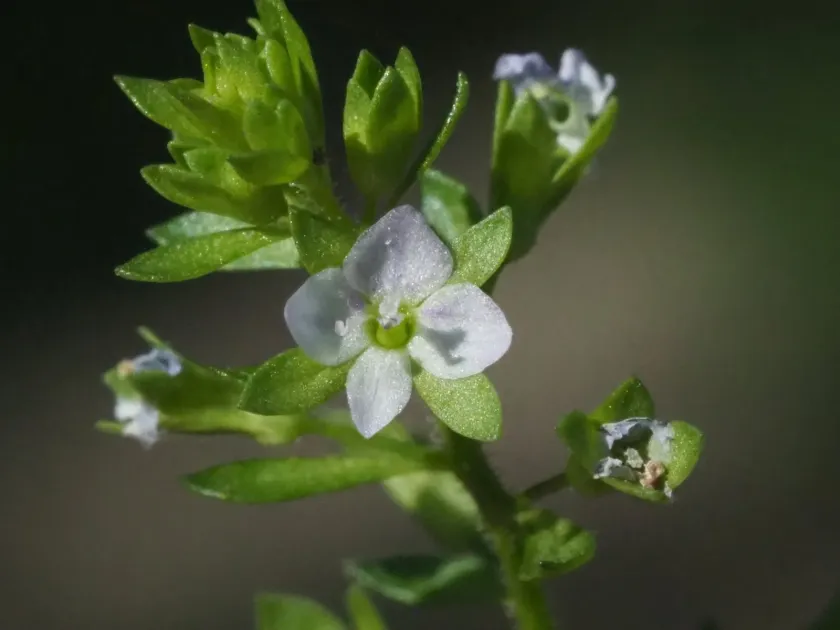
Botanically, Veronica undulata is characterized by glabrous stems and lanceolate leaves featuring slightly undulated edges. Its inflorescences are racemes containing small, delicate flowers, typically ranging from light blue to pale lavender in color.
While not a traditional broad-acre crop, this plant is valued in horticultural and landscape restoration projects for its ability to stabilize shorelines. Proper care involves ensuring the substrate does not dry out and providing sufficient space for the root system to expand.
Main diseases and pests
The primary threats to Veronica undulata in cultivation include drought stress, which can lead to premature wilting and decreased growth vigor. Constant monitoring of soil moisture is essential to maintain health.
High humidity combined with poor air circulation can lead to outbreaks of powdery mildew. Implementing appropriate planting distances is a recommended management practice to facilitate better airflow and reduce fungal prevalence.
Aphids are the most common insect pests, often attacking the floral racemes. Integrated pest management strategies, including the use of targeted insecticides, are often necessary during peak infestation periods to preserve the plant's aesthetic value.
Root rot can occur if the substrate becomes anaerobic, particularly in very heavy, poorly drained clay soils. Ensuring that the soil structure provides some drainage despite the need for moisture is key to longevity.
Competition from aggressive weeds during the establishment phase can severely stunt the plant. Regular weeding and maintaining a clear perimeter around the plants are vital for successful establishment in the first growing season.