
Ourisia
Ourisia
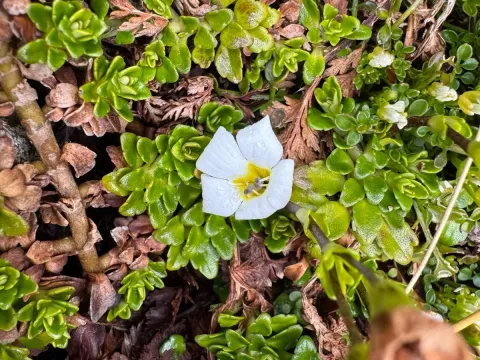
Ourisia is a genus of perennial herbaceous plants belonging to the Plantaginaceae family. These plants are widely admired for their vibrant, often red or white tubular flowers that bloom in clusters, making them a popular choice for rock gardens and alpine collections.
What the section contains
Ourisia
The native distribution of Ourisia is primarily focused on the temperate regions of the Southern Hemisphere, with significant diversity found in the mountainous areas of Chile, Argentina, and New Zealand. They are essentially plants of the high-altitude or cool coastal zones.
Optimal growth requires a cool, humid climate and protection from intense direct sunlight, especially in the afternoon. The plants flourish in locations that mimic their natural alpine habitat, providing plenty of indirect light and shelter from harsh winds.
The soil must be rich in organic matter and possess exceptional drainage capabilities to prevent waterlogging. Keeping the root zone consistently moist but never waterlogged is the key challenge in successfully managing this culture in temperate gardens.
When cultivating Ourisia, it is essential to ensure good air circulation around the plants. Regular monitoring of the soil moisture levels and ensuring that the mulch is not in direct contact with the foliage can significantly prolong the plant's lifespan.
Fungal diseases, such as root rot or leaf spot, represent the most significant threat to Ourisia, particularly when the plants are grown in poor-drainage soil or overly humid, stagnant conditions. Proper site selection and soil amendment are the best preventative measures.
Slugs and snails are the most common pests that target Ourisia. They are particularly active during wet weather and can cause extensive damage to the foliage. Gardeners should employ integrated pest management strategies, such as physical barriers or biological controls, to protect these delicate perennials.