
Ourisia coccinea
Ourisia coccinea
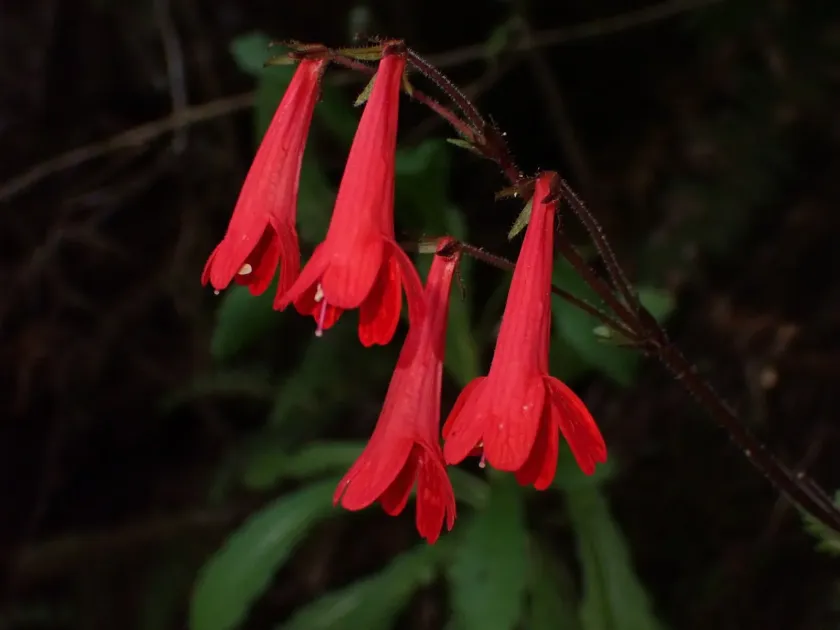
Description
Sowing dates
Propagation of Ourisia coccinea is typically performed in early spring or late summer to allow the root system to establish before extreme temperatures occur. Seeds should be sown in trays filled with a lightweight, well-draining peat-based medium.
Since the seeds are quite small, they require surface sowing and should not be buried deeply in the soil. Providing light access and consistent moisture is essential to trigger successful germination within the typical timeframe for this species.
Division of established clumps is the most common and reliable method for gardeners to multiply their stock. This process should be carried out after the flowering period, ensuring that each new segment has a healthy portion of roots and foliage.
Once seedlings or divisions are ready for transplanting, they should be placed in the garden at a distance of about 25–30 centimeters. This spacing prevents overcrowding and allows for the necessary airflow to reach the plant base.
Post-planting care focuses on maintaining consistent soil moisture. Mulching around the plants helps prevent the surface from drying out too quickly, which is critical for young, vulnerable plants during their first season.
Growing requirements
Ourisia coccinea belongs to the Plantaginaceae family and is native to the high-altitude environments of the Chilean and Argentine Andes. It is adapted to cool, moist climates where summer heat remains moderate and winter snow provides natural insulation.
To cultivate this plant successfully, one must replicate its natural habitat by providing partial shade. It thrives in locations where it can receive cool morning sunlight but remains protected from the intense, burning heat of the afternoon sun.
The soil must be rich in organic matter and possess excellent drainage capabilities. While it enjoys humidity, it cannot tolerate "wet feet," so mixing grit or perlite into the planting soil is highly recommended for heavier soil types.
Thermal stability at the root level is vital for the survival of this species. Gardeners often use stone mulching or wood chips to create an insulating layer that protects the shallow root system from sudden temperature fluctuations.
During the dormant season in colder regions, the plants require a protective layer of evergreen boughs or horticultural fleece. This helps to safeguard the crowns against severe frost, especially in winters with little to no snowfall.
Main diseases and pests
Root rot is the most serious threat to Ourisia coccinea, usually caused by stagnant water or poorly drained substrates. It is characterized by the wilting of the foliage despite the soil being moist, signaling immediate drainage intervention.
Slugs and snails are the primary pests that damage the fleshy, succulent leaves of the plant. Using physical barriers like crushed shells or organic slug pellets can effectively minimize the damage caused by these nocturnal foragers.
Aphid infestations can occur during periods of vigorous growth, specifically targeting the flower stalks and buds. Gentle rinsing with water or the application of organic insecticidal soap is usually sufficient to manage these populations.
Fungal issues such as powdery mildew may develop if the plants are placed in areas with insufficient ventilation. Proper plant spacing and avoiding overhead watering are key cultural practices to prevent the development of these diseases.
Regular monitoring of the planting site is essential for early detection of issues. By maintaining a clean growing area and ensuring the soil is not overly compacted, the risk of pathogen buildup is significantly reduced.