
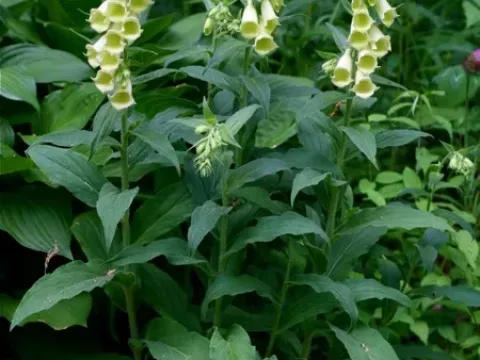
Oriental foxglove
Digitalis orientalis
Sowing seeds of Digitalis orientalis requires a shallow approach because the seeds are extremely small and need light to germinate. In professional cultivation, the seeds are typically pressed into the soil surface without being covered by a thick layer of growing medium.
What the section contains
Oriental foxglove
For successful germination, a period of cold stratification is highly recommended to break dormancy. Sowing should ideally occur in early spring or late autumn, ensuring the seeds experience natural or simulated cold conditions to improve emergence rates.
When using a greenhouse for seedling production, a light potting mix should be kept consistently moist using mist irrigation. Germination usually takes about two to three weeks under optimal temperatures between 18°C and 20°C.
Seedlings should be thinned or transplanted once they develop the first true leaves to prevent overcrowding and fungal issues. Adequate spacing between plants helps ensure strong, healthy growth throughout the initial development phase.
Direct field sowing is possible but requires careful weed management, as the small seedlings grow slowly and can be easily outcompeted by aggressive weeds in the early stages of development.
Oriental foxglove belongs to the family Plantaginaceae and is known for its resilience in various soil types. It naturally occurs in rocky, arid habitats, which dictates its preference for well-drained, sandy or loamy soils.
The plant thrives in full sun but can tolerate partial shade in hotter climates. Its ability to withstand periods of drought makes it a relatively low-maintenance choice for gardeners and herbal growers alike.
Proper soil drainage is the single most important factor for success. Waterlogged soil will rapidly lead to root rot, which is the primary cause of plant failure in agricultural settings where drainage was not properly addressed.
The plant has moderate nutrient requirements and generally does not need heavy fertilization. Excessive nitrogen can lead to rapid growth that makes the plant more susceptible to diseases and wind damage, so balanced organic matter is preferred.
Regular maintenance involves checking for soil compaction and ensuring the root zone remains aerobic. Proper site selection in a well-ventilated area helps prevent the buildup of humidity that the species dislikes.
Powdery mildew is a common threat to Oriental foxglove, especially in regions with high humidity or poor air circulation. Controlling this disease involves using sulfur-based fungicides and ensuring sufficient space between individual plants.
Root rot caused by Phytophthora or Pythium species is a significant concern in fields with poor drainage. Once a plant shows symptoms of wilting and decay, it should be removed and destroyed to prevent spreading to healthy neighbors.
Pests such as aphids and spider mites can attack the plants during dry spells. Monitoring the undersides of the leaves is critical, and early intervention with biological controls is often sufficient to manage populations.
Leaf spots caused by various fungi can diminish the quality of the medicinal material. Practicing crop rotation and avoiding overhead irrigation can significantly reduce the incidence of these foliar diseases.
Viral infections can occasionally occur, manifesting as distorted leaf growth or mosaic patterns. Since these are often transmitted by insects, keeping the surrounding area free of weeds that act as alternate hosts is a necessary management strategy.
The harvest of leaves for medicinal purposes is timed to coincide with the beginning of the flowering stage, as this is when the concentration of bioactive compounds is typically at its highest peak.
After collection, the material must be dried promptly to preserve its chemical profile. Shaded, well-ventilated drying facilities with controlled temperatures around 40°C are ideal for maintaining product quality.
Seed harvesting should be performed as the seed pods start to turn brown. Great care must be taken to gather them before they open naturally to prevent loss, as the seeds are fine and easily scattered by the wind.
Cleaning the seeds is best done through a series of screens and light air current separation to remove chaff and plant debris. High-quality seeds are essential for maintaining the vigor of subsequent plantings.
Storage of the processed material requires cool, dry conditions. Using moisture-proof containers helps protect the harvested leaves or seeds from environmental degradation, ensuring a long shelf life for the final product.