
Ourisia microphylla
Ourisia microphylla
Description
Growing requirements
Ourisia microphylla is a perennial herbaceous plant belonging to the Plantaginaceae family. It is native to the high-altitude regions of the Andes in Chile and Argentina, where it is known for its compact, cushion-forming growth habit in rugged terrain.
This plant thrives in cool, alpine climates and requires specific environmental conditions to survive in cultivation. It prefers a well-draining, gritty, or sandy substrate that mimics its natural stony habitat and prevents moisture from accumulating around the root system.
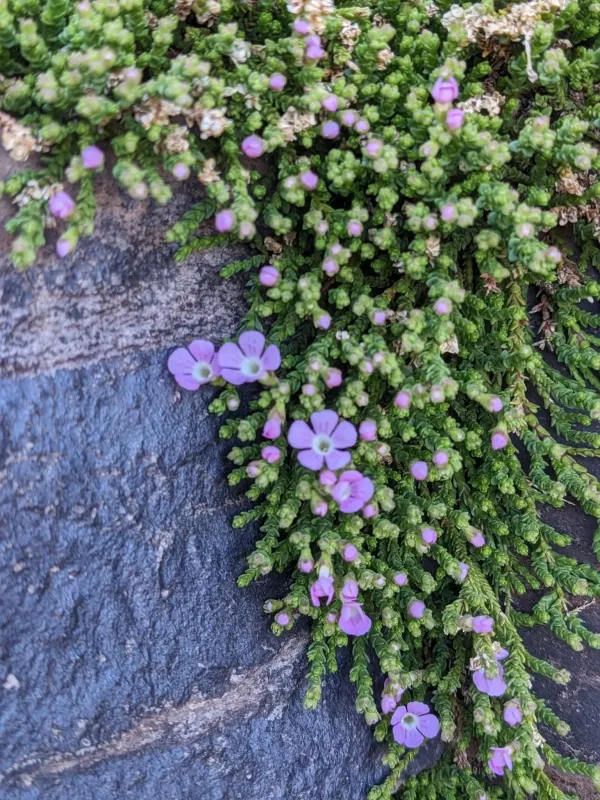
Botanically, the plant is characterized by its tiny, leathery leaves that form dense, mat-like clusters. This morphology is an evolutionary adaptation to the harsh, windy, and high-light conditions found at high elevations in the Southern Hemisphere.
Cultivation success relies heavily on temperature management, as Ourisia microphylla is sensitive to the high heat and humidity levels typical of lowland summers. Providing a cool, shaded environment with constant air circulation is essential for maintaining plant health.
Proper horticultural care involves consistent, controlled watering that keeps the soil moist without causing waterlogging. Due to its mountain origin, the plant does not require high levels of fertilization; instead, it benefits from a lean, mineral-rich soil mix.
Main diseases and pests
Fungal pathogens are the primary threat to this species, particularly when stagnant water creates an anaerobic soil environment. Preventing root rot requires strict adherence to excellent drainage protocols and avoiding the wetting of the foliage during low-light conditions.
Pests such as spider mites and aphids can also affect the plant, particularly if grown in a confined or poorly ventilated environment. Regular monitoring and preventive measures are recommended to ensure the longevity of these ornamental alpine specimens.