
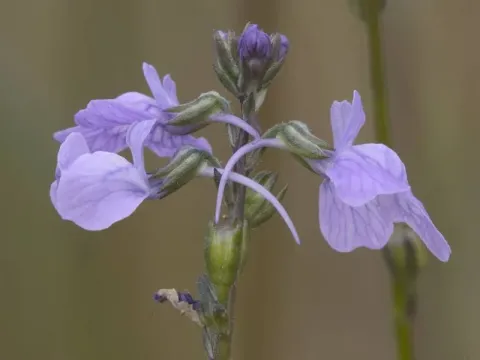
Nuttallanthus
Nuttallanthus
Nuttallanthus is a genus of herbaceous plants classified within the Plantaginaceae family. Originally native to North America, these plants are known for their ability to colonize diverse environments, ranging from sandy plains to disturbed landscapes.
What the section contains


Nuttallanthus
Successful cultivation requires sites with full solar exposure. The plants are highly adaptable to poor soil conditions, provided that the growing medium offers excellent drainage to prevent root saturation.
The ideal pH range for Nuttallanthus is slightly acidic to neutral. High-nitrogen fertilizers are generally not recommended, as they can lead to excessive vegetative growth at the expense of floral development.
Environmental requirements include a stable temperature regime during the germination stage. Once established, the plants show remarkable drought tolerance, making them suitable for low-maintenance agricultural projects.
The botanical structure of the genus features specialized inflorescences that facilitate efficient pollination. The life cycle is typically annual, focusing on rapid seed production and dispersal in favorable conditions.
The primary threats to Nuttallanthus are soil-borne pathogens triggered by excessive moisture and poor air circulation. Root rot is the most common condition leading to plant mortality.
Pests such as aphids and leaf-chewing insects can compromise the health of the plants. These infestations often peak during the flowering season when the plants are most vulnerable.
Effective management includes maintaining appropriate spacing between plants to ensure good airflow. Reducing humidity around the base of the plant is critical for disease prevention.
Integrated pest management strategies should be employed, utilizing cultural practices such as crop rotation and the removal of host weeds to maintain field hygiene.
In cases of severe infestation, targeted applications of insecticides or fungicides may be necessary to protect the potential seed yield and plant health.