
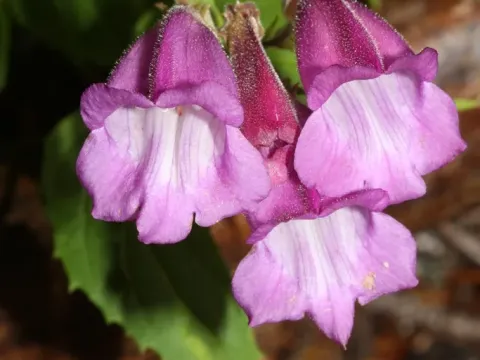
Nothochelone
Nothochelone
Sowing Nothochelone seeds is best performed in early spring once soil temperatures have become consistently warm. The seeds often benefit from a period of cold stratification, which helps break dormancy and ensures a more uniform germination rate across the planting bed.
What the section contains

Nothochelone
The seeds should be sown at a shallow depth of approximately 0.5 to 1 centimeter in fine, well-aerated soil. Maintaining consistent moisture during the germination phase is essential, as the seedlings are delicate and susceptible to rapid drying in high-temperature conditions.
Once seedlings have developed their true leaves, they should be spaced 30 to 40 centimeters apart to allow for proper airflow. Adequate spacing is critical for preventing the onset of fungal diseases, which thrive in crowded, poorly ventilated environments.
Germination typically occurs within two to three weeks under optimal conditions. Using a seedling starter mix rich in organic matter can significantly boost initial growth and root establishment before transplanting to the field or garden.
Newly transplanted Nothochelone requires regular irrigation until the root system has established itself in the new location. Once the plants are well-rooted, they exhibit moderate tolerance to changing weather conditions, making them a reliable choice for various landscapes.
Nothochelone belongs to the Plantaginaceae family and is native to moist, forested areas of North America. It is a perennial herbaceous plant known for its aesthetic value and specific environmental needs that must be met for optimal performance.
The ideal soil profile for this crop is fertile, well-draining, and slightly acidic to neutral in pH. Soils with high clay content should be amended with organic compost or sand to prevent the roots from becoming waterlogged, which the plant does not tolerate well.
This species performs best in partial shade, as it is naturally adapted to the dappled light found in wooded habitats. While it can tolerate some direct sunlight, afternoon shade is highly recommended to protect the foliage from heat stress.
Nothochelone is relatively hardy and can survive standard winter temperatures, especially with a layer of mulch for root protection. In areas with extreme winters, minimal protective coverage helps ensure the plant returns vigorously in the following growing season.
Periodic fertilization with a balanced, slow-release fertilizer at the start of the growing season supports healthy leaf production and robust flowering. Regular monitoring of the soil moisture levels is necessary to avoid both drought stress and overwatering.
Powdery mildew is the most common fungal threat, typically appearing when humidity is high and air circulation is compromised. Fungicidal treatments and thinning out dense foliage are standard practices to manage and eliminate these infections effectively.
Root rot occurs primarily in soils with poor drainage or during prolonged periods of excessive rain. Improving the physical structure of the soil and carefully regulating irrigation schedules are the primary methods for preventing this devastating condition.
Aphids and spider mites are the most frequent insect pests encountered in Nothochelone cultivation. These pests can be managed through regular physical inspections, the use of insecticidal soaps, or systemic pesticides if an infestation becomes widespread.
Slugs and snails can cause significant damage to young shoots and leaves during damp weather. Implementing bait stations or creating physical barriers around the base of the plant can effectively deter these pests without harming the surrounding environment.
Maintaining a weed-free area around the base of the plants is vital for general plant health. Weeds compete for nutrients and water, while also serving as potential reservoirs for pests and diseases that can quickly spread to the crop.